 +86 18751738721
 sales@unitatransformer.com
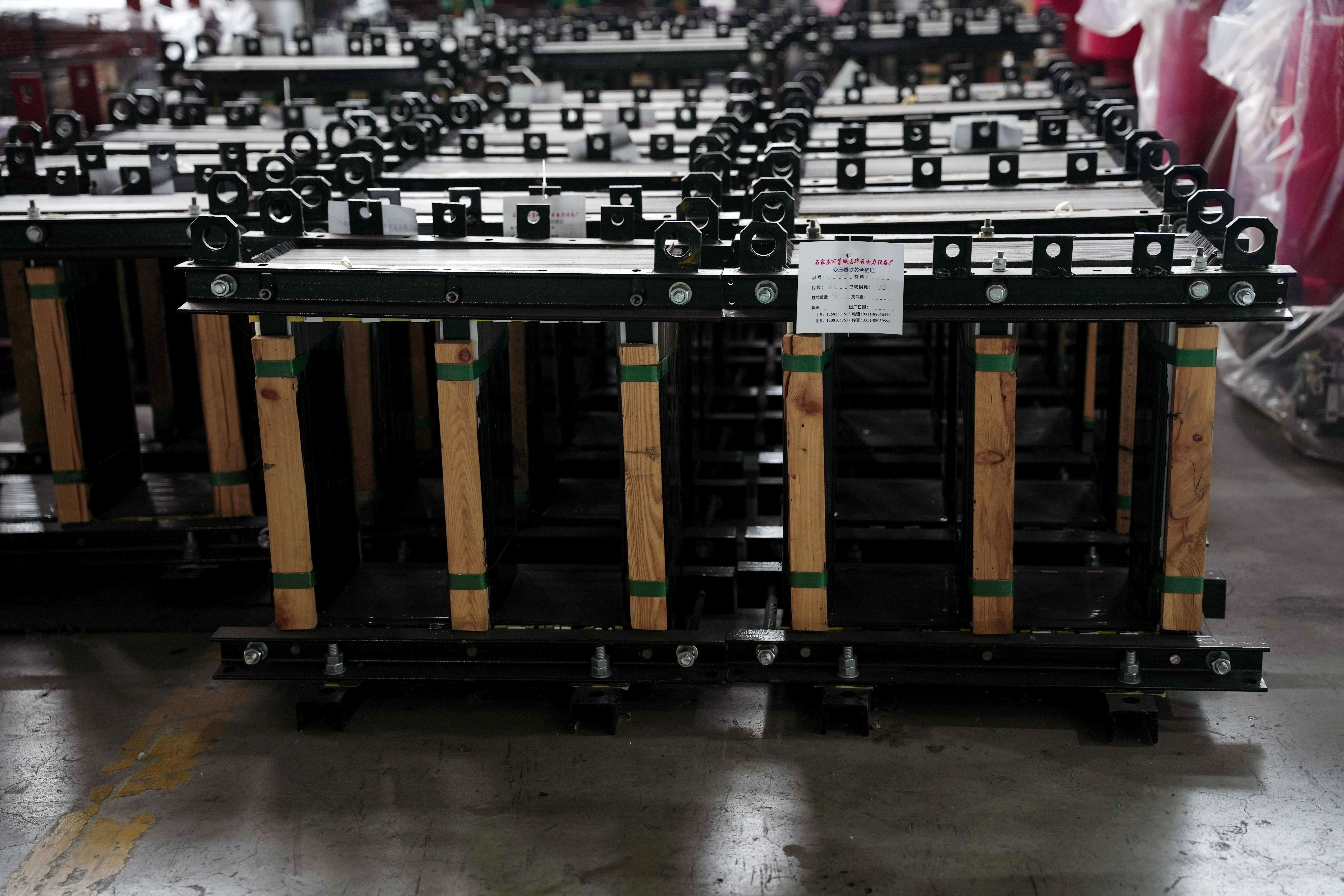
Voltage drop is a pervasive issue in Africa, Central Asia, and Southeast Asia—where long distribution lines (common in rural and remote areas) cause a significant reduction in voltage between the transformer and end users. Excessive voltage drop (>5%) damages sensitive equipment (motors, pumps, electronics), reduces transformer efficiency, and disrupts operations. This is particularly problematic in emerging markets, where rural electrification projects often use long, low-quality distribution lines. This guide explains voltage drop causes, calculation methods, and practical solutions tailored to long distribution lines in emerging market regions.
What is Voltage Drop?
Voltage drop is the reduction in voltage along a distribution line, caused by the resistance of the wire. It is measured as a percentage of the original voltage:
Voltage Drop (%) = [(V_input – V_output) / V_input] × 100
Acceptable voltage drop for most emerging market projects is ≤5% (≤3% for sensitive equipment like electronics or medical devices). Exceeding this leads to:
- Dim lighting and reduced motor performance.
- Overheating of equipment and transformers.
- Equipment failure (e.g., burned-out motors).
Common Causes of Voltage Drop in Emerging Markets
- Long Distribution Lines: Rural areas (Africa/Central Asia) often have distribution lines longer than 1 km—resistance increases with length.
- Low-Quality Wires: Cheap, thin wires (common in budget-constrained projects) have higher resistance.
- Overloading: Multiple users/equipment connected to a single line increases current, amplifying voltage drop.
- Poor Wire Installation: Loose connections, damaged insulation, and incorrect wire sizing increase resistance.
- Environmental Factors: High temperatures (Africa) increase wire resistance; cold (Central Asia) hardens insulation, leading to poor connections.
How to Calculate Voltage Drop (Practical Formula)
For single-phase distribution lines (common in rural homes):
Voltage Drop (V) = (2 × I × L × R) / 1000
- I = Current (A) – total current drawn by end users.
- L = Line length (m) – distance from transformer to farthest user.
- R = Wire resistance (ohms/km) – depends on wire size (e.g., 4mm² copper wire = 4.6 ohms/km).
For three-phase distribution lines (industrial/community projects):
Voltage Drop (V) = (√3 × I × L × R) / 1000
Example: A 1 km single-phase line (4mm² copper wire, R=4.6 ohms/km) with 10A current:
Voltage Drop = (2 × 10 × 1000 × 4.6) / 1000 = 92V. For a 230V input, voltage drop = (92/230) × 100 = 40% (excessive—requires solutions).
Practical Solutions to Reduce Voltage Drop
1. Increase Wire Size
- Use thicker wires (larger cross-sectional area) to reduce resistance. For example, upgrading from 4mm² to 10mm² copper wire reduces resistance from 4.6 to 1.8 ohms/km.
- Regional Adaptation: In Africa/Central Asia’s remote areas, use aluminum wires (cheaper than copper) with larger size to compensate for higher resistance.
2. Shorten Distribution Lines
- Place transformers close to load centers (e.g., near a village or industrial cluster) to reduce line length.
- For large rural areas, use multiple small transformers (50–100kVA) instead of one large transformer (250kVA+) with long lines.
3. Reduce Overloading
- Distribute loads evenly across multiple distribution lines.
- Limit the number of users/equipment per line (e.g., 5–10 homes per 4mm² line).
- Use voltage stabilizers for sensitive equipment to compensate for minor voltage drop.
4. Improve Wire Installation
- Tighten all connections to reduce contact resistance.
- Use weather-resistant insulation (UV-resistant for Africa, cold-resistant for Central Asia, moisture-resistant for Southeast Asia).
- Replace damaged wires (common in areas with livestock or harsh weather).
5. Install Voltage Regulators
- For long lines (>1 km), install line voltage regulators (LVRs) to boost voltage at the end of the line.
- For small-scale projects, use automatic voltage regulators (AVRs) at the user end to stabilize voltage.
Regional Voltage Drop Adaptations
1. Africa (Rural Arid/Tropical Sites)
- Use larger aluminum wires (cost-effective for long lines); avoid thin copper wires (expensive).
- Place transformers in central village locations to shorten lines.
- Install AVRs for small businesses (e.g., maize mills) to protect equipment.
- Inspect wires regularly for damage from dust storms or livestock.
2. Central Asia (Remote Mountain/Steppe Sites)
- Use cold-resistant wires with thick insulation (prevents cracking in sub-zero temperatures).
- Shorten lines by installing small transformers in remote villages (steppes have sparse populations).
- Use line voltage regulators for lines longer than 1 km (mountainous areas have limited access).
- Bury wires in cold regions (avoids damage from snow and ice).
3. Southeast Asia (Rural Humid/Coastal Sites)
- Use corrosion-resistant wires (galvanized or copper) to withstand humidity and salt spray.
- Install waterproof connections to prevent moisture-induced resistance.
- Shorten lines in coastal areas (salt spray accelerates wire degradation).
- Use AVRs for sensitive equipment (e.g., medical clinics, small factories).
Common Voltage Drop Mistakes
- Using Thin Wires for Long Lines: The most common mistake—leads to excessive voltage drop and equipment damage.
- Overloading Lines: Connecting too many users/equipment to a single line amplifies voltage drop.
- Ignoring Line Length: Placing transformers too far from load centers increases line length and resistance.
- Poor Connections: Loose or corroded connections add resistance, worsening voltage drop.