 +86 18751738721
 sales@unitatransformer.com
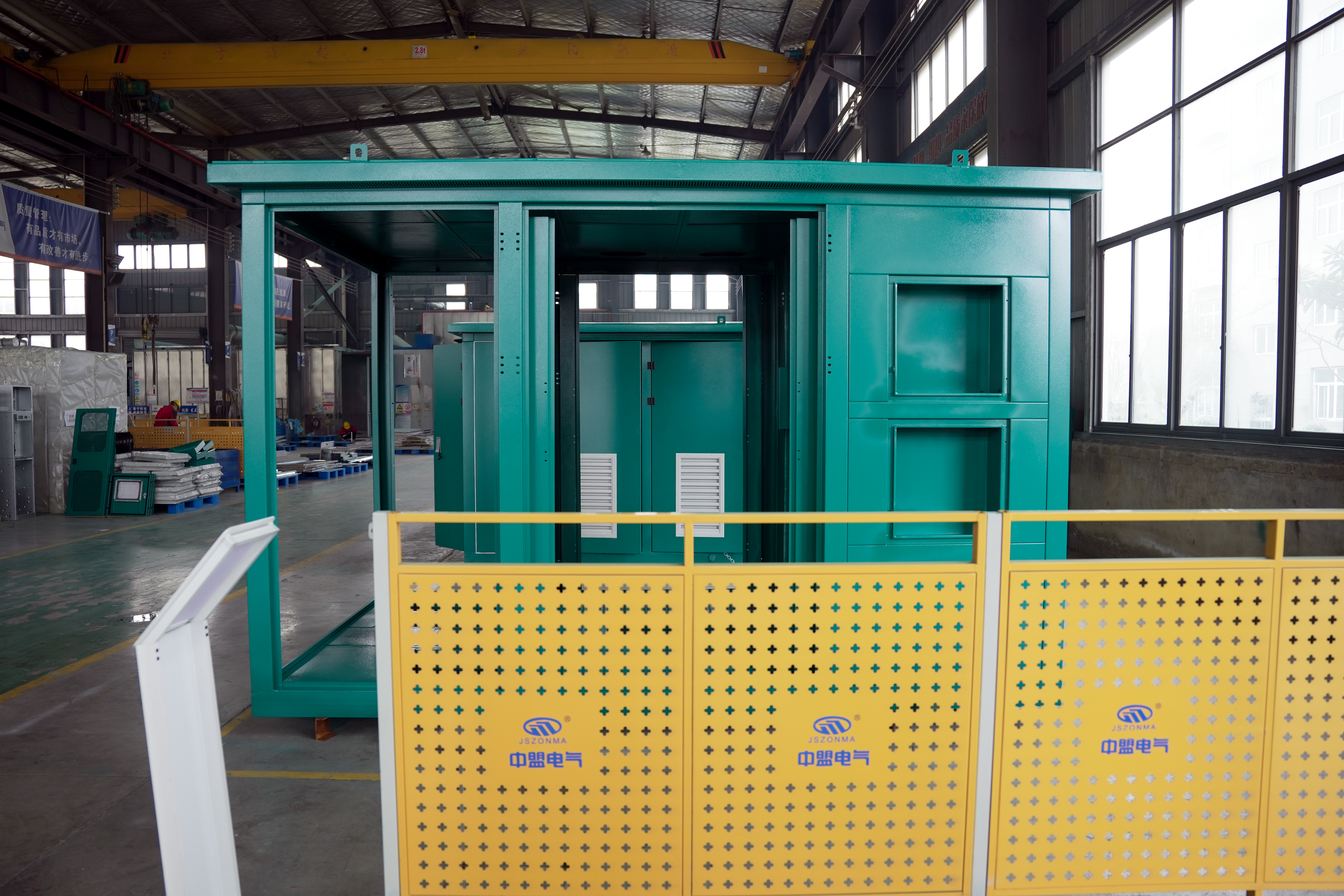
Transformer noise (humming, buzzing) is a common issue in urban and residential areas across Africa, Central Asia, and Southeast Asia—disturbing residents, violating noise regulations, and creating complaints for project developers. Noise is caused by magnetic core vibration, cooling system fans, and loose components, and it is amplified in dense urban areas. For transformers installed near homes, schools, or hospitals, noise reduction is critical to compliance and community acceptance. This guide covers noise reduction techniques, regional adaptations, and maintenance tips to minimize transformer noise in emerging market urban/residential settings.
What Causes Transformer Noise?
Transformer noise is primarily caused by three factors, with variations in emerging markets:
- Magnetic Core Vibration: The most common cause—alternating current in the core creates magnetic forces that vibrate the core, producing a low-frequency hum (50–60 Hz).
- Cooling System Noise: Fans (ONAF/OFAF oil-immersed, AF dry-type) and pumps (OFAF) produce mechanical noise.
- Loose Components: Loose windings, bolts, or cooling fins vibrate, amplifying noise—common in remote sites with vibration (e.g., construction, mining).
Noise Reduction Techniques (Urban/Residential Settings)
1. Transformer Selection for Low Noise
- Low-Noise Core Design: Choose transformers with grain-oriented silicon steel cores (reduces magnetic vibration by 20–30%).
- Cooling System Selection:
- ONAN oil-immersed transformers (lowest noise: 40–50 dB) – ideal for residential areas.
- Avoid OFAF (pumps/fans) for residential areas (noise: 55–65 dB); use ONAF only if high load requires it.
- Dry-Type vs Oil-Immersed: Oil-immersed transformers are quieter than dry-type (AF) transformers (40–50 dB vs. 50–60 dB).
2. Installation-Based Noise Reduction
- Vibration Isolation: Install the transformer on a vibration-damping pad (rubber or foam) to reduce noise transmission to the ground/building. Critical for urban high-rises (Southeast Asia/Africa).
- Enclosure/Barrier: Install a noise barrier (concrete, metal, or acoustic panels) around the transformer—reduces noise by 10–15 dB. Ensure the barrier does not block ventilation (avoids overheating).
- Site Placement: Place transformers away from residential buildings (minimum 5–10 meters); use shaded areas to reduce cooling fan noise (hot climates increase fan speed).
3. Maintenance to Reduce Noise
- Tighten Loose Components: Regularly tighten bolts, cooling fins, and winding connections—loose parts vibrate and amplify noise.
- Clean Cooling System: Clogged cooling fins (dust, corrosion) force fans to work harder, increasing noise. Clean fins quarterly.
- Oil Maintenance (Oil-Immersed Units): Degraded oil increases core vibration—filter/replace oil annually to reduce noise.
Regional Noise Reduction Adaptations
1. Africa (Urban Areas: Lagos, Nairobi)
- Hot Climates: Use ONAN oil-immersed transformers (low noise, no fans); install vibration-damping pads to reduce noise transmission to concrete foundations.
- Dense Urban Areas: Install acoustic barriers (metal panels) to reduce noise; place transformers in enclosed utility rooms (with ventilation) for additional noise reduction.
2. Central Asia (Urban Areas: Almaty, Tashkent)
- Extreme Cold: Use low-noise oil-immersed transformers with cold-resistant oil; avoid enclosures that trap heat (winter requires ventilation).
- Residential Areas: Install vibration-damping pads (rubber) to prevent noise transmission through frozen ground.
3. Southeast Asia (Urban Areas: Ho Chi Minh City, Jakarta)
- Humid/Coastal Urban Areas: Use corrosion-resistant noise barriers (stainless steel) to avoid rust; install waterproof enclosures with acoustic insulation.
- High-Rise Buildings: Install transformers on upper floors (away from residential units) with vibration isolation; use dry-type AF transformers (indoor) with noise-reducing fans.
Noise Compliance Guidelines (Emerging Markets)
Most emerging market cities have noise regulations for residential areas (typically 45–55 dB during the day, 40–50 dB at night). To comply:
- Choose transformers with noise levels ≤50 dB (ONAN oil-immersed).
- Use vibration isolation and barriers to reduce noise by 10–15 dB.
- Regular maintenance to prevent noise increases over time.
Common Noise Reduction Mistakes
- Blocking Ventilation with Barriers: Causes overheating, increasing fan noise and transformer failure.
- Ignoring Loose Components: Loose bolts/fins amplify noise over time.
- Choosing High-Noise Cooling Systems: OFAF transformers are too noisy for residential areas.
- Poor Site Placement: Placing transformers too close to homes (less than 5 meters) leads to noise complaints.