 +86 18751738721
 sales@unitatransformer.com
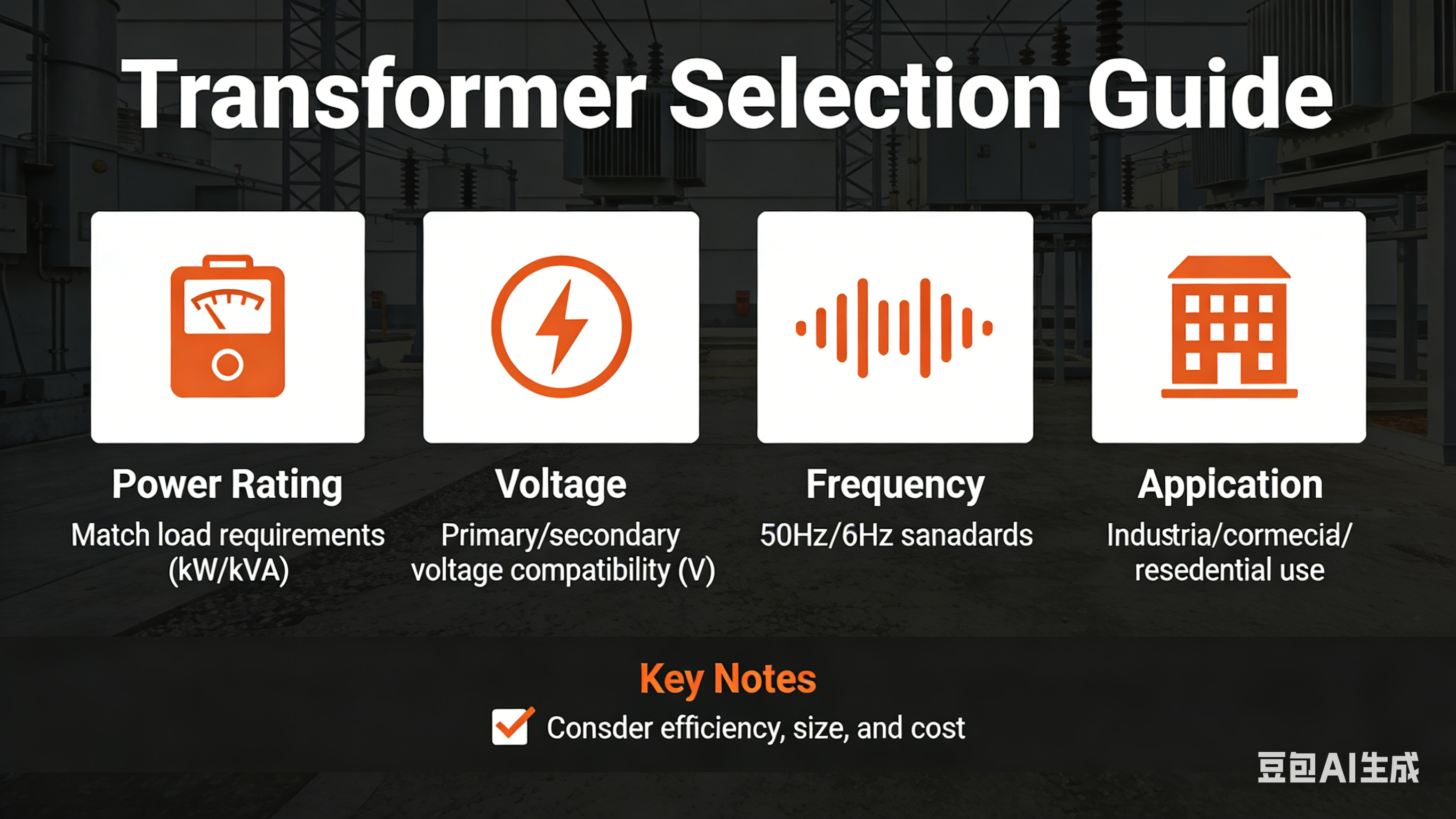
Choosing the correct transformer capacity is critical for stability, energy efficiency, and cost control.
A capacity that is too large will cause high no-load loss;
a capacity that is too small will lead to overload and overheating.
This guide helps you select the right capacity with clear calculations and data.
Step 1: Calculate Actual Load
Calculate the total power of all equipment running simultaneously:
- Sum of active power (kW)
- Sum of reactive power (kvar)
- Calculate apparent power (kVA) = √(kW² + kvar²)
Step 2: Add Safety Margin
Add 15%–25% margin to cover future expansion or voltage fluctuations.
Step 3: Consider Environment
- High temperature or dusty environment → reduce capacity by 10%
- Indoor installation → choose dry-type with lower heat generation
- Outdoor installation → oil-immersed is more cost-effective
Capacity Selection Comparison Table
| Scenario | Recommended Capacity | Load Rate | Efficiency |
|---|---|---|---|
| Light Load (30%–50%) | Slightly larger than calculated | 50%–70% | 95%–97% |
| Normal Load (60%–80%) | Exact calculation +15% | 70%–85% | 97%–98% (best) |
| Heavy Load (85%–100%) | Calculation +25% | 85%–100% | 95%–97% |
| Overloaded (>100%) | Risk of overheating | >100% | Efficiency drops rapidly |
Conclusion
Correct capacity selection ensures stable operation, low loss, and long life.
Jiangsu Unita Electric Equipment Co.,Ltd provides professional capacity consulting services to help customers choose the most suitable transformer.