 +86 18751738721
 sales@unitatransformer.com
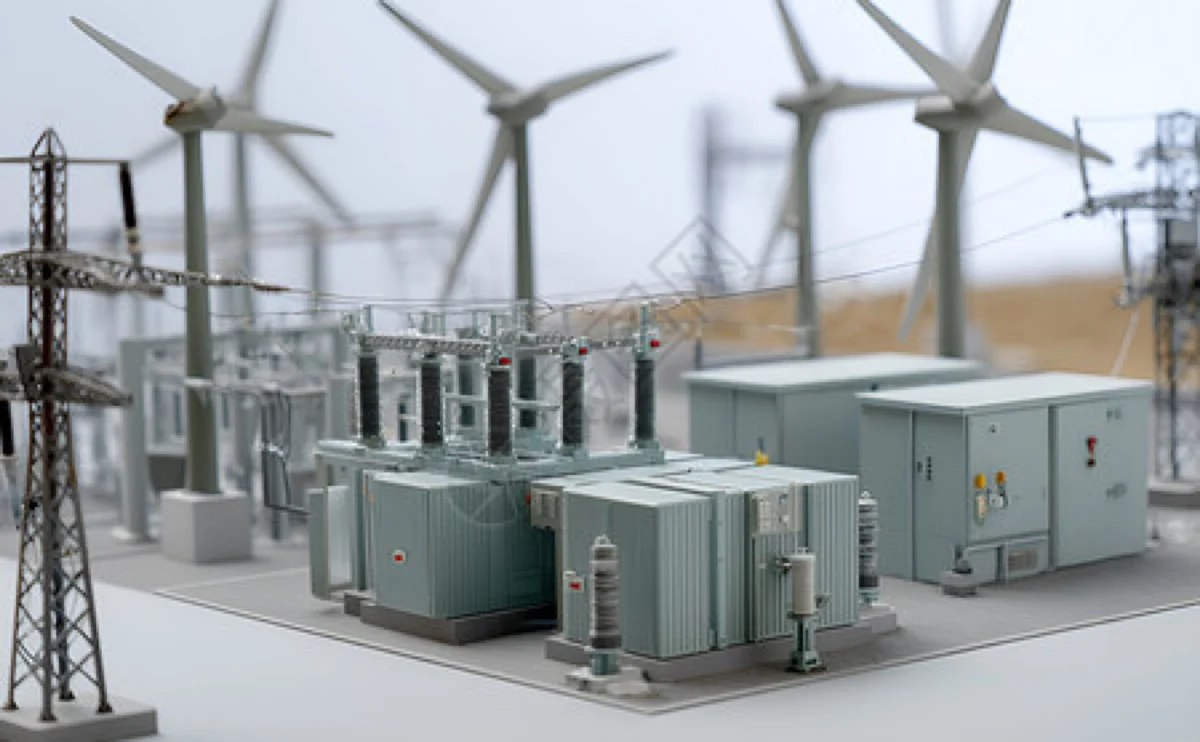
As a key equipment connecting the power grid and end users, the box transformer’s stable operation directly affects the reliability of power supply. According to statistics from the China Electric Power Research Institute, 70% of box transformer failures are caused by improper operation and maintenance, which shortens the average service life from the designed 20 years to 12-15 years.
In the context of energy conservation and emission reduction, scientific operation, maintenance and fault handling not only reduce the cost of equipment replacement for enterprises, but also lay the foundation for the green upgrade of box transformers. This article will systematically sort out the operation and maintenance points, fault solutions and green development paths of box transformers to provide practical guidance for engineering and maintenance personnel.
Daily Operation and Maintenance of Box Transformers: 6 Core Norms
1. Regular Inspection of Cabinet Body and Accessories
The box body of the box transformer is the first line of defense against external interference. It is necessary to conduct a comprehensive inspection once a month: check whether the cabinet door lock is intact, whether the sealing strip is aging (replace it if the service life exceeds 3 years), and whether the ventilation window is blocked by dust. For outdoor box transformers, it is necessary to check the anti-corrosion coating of the cabinet body every quarter, and touch up the paint in time if there is peeling.
At the same time, the external accessories such as lightning arresters and insulating sleeves should be inspected for cracks or dirt accumulation. If there is any contamination, clean it with a dry cloth dipped in anhydrous alcohol to avoid flashover caused by insulation reduction.
2. Oil Quality and Oil Level Monitoring (for Oil-Immersed Box Transformers)
Oil-immersed box transformers rely on insulating oil for cooling and insulation. The oil level should be between the “upper” and “lower” marks of the oil level gauge. If it is lower than the “lower” mark, it is necessary to supplement the same type of insulating oil after filtering. The oil quality should be tested twice a year: the water content should not exceed 30ppm, the acid value should be less than 0.1mgKOH/g, and if it exceeds the standard, vacuum oil filtering or oil change should be carried out immediately.
3. Temperature and Humidity Control in the Cabinet
The operating temperature of the box transformer directly affects its efficiency. The temperature in the cabinet should be controlled between -5℃ and 40℃. When the ambient temperature is higher than 35℃, the axial flow fan should be turned on in time (for box transformers equipped with cooling systems). For areas with high humidity (relative humidity > 85%), a dehumidifier should be installed in the cabinet to prevent condensation from causing short circuits of internal components.
4. Electrical Parameter Detection
Carry out electrical parameter testing every six months, including: three-phase voltage imbalance (should not exceed 2%), load current (should not exceed 80% of the rated current for a long time), and grounding resistance (should be less than 4Ω). Use a clamp ammeter to detect the current of each phase. If the imbalance is too large, check whether the load is evenly distributed and adjust it in time.
5. Cleaning and Dust Removal of Internal Components
Open the cabinet door for internal cleaning every quarter (ensure power off before operation). Use a hair dryer (cold air gear) to blow off the dust on the transformer, switchgear and wiring terminals. For the contact surface of the terminal, apply a thin layer of conductive paste after cleaning to reduce contact resistance. Do not use water or volatile solvents for cleaning to avoid damage to insulation.
6. Data Recording and Analysis
Establish an operation and maintenance log for each box transformer, record the inspection time, detected parameters, and problems found. By comparing the data of different periods, it is possible to predict potential failures in advance. For example, if the temperature of the transformer winding rises by more than 5℃ compared with the previous month under the same load, it is necessary to check whether the cooling system is faulty or the insulation is aging.
Common Fault Diagnosis and Quick Handling of Box Transformers
1. Abnormal Noise of Box Transformer
Fault Phenomenon: The box transformer emits “buzzing” sound that is louder than usual, or accompanied by “cracking” discharge sound.
Possible Causes and Handling:
- If the noise increases slightly and is stable, it may be caused by overload. Check the load current, and reduce the load to below the rated current.
- If there is a “cracking” sound, it may be that the insulating oil contains moisture or the insulating sleeve is contaminated. Test the oil quality immediately, and replace the insulating oil or clean the sleeve if necessary.
- If the noise is irregular, it may be that the internal iron core loose. Power off and open the cabinet for inspection, and tighten the core clamping bolts.
2. Tripping of Box Transformer Circuit Breaker
Fault Phenomenon: The low-voltage circuit breaker trips automatically, and cannot be closed again.
Possible Causes and Handling:
- Check whether there is a short circuit in the low-voltage side line. Use a multimeter to measure the insulation resistance between phases and between phases and ground. If the resistance is less than 0.5MΩ, there is a short circuit, and the faulty line should be found and repaired.
- Check whether the circuit breaker is damaged. Test the tripping mechanism of the circuit breaker. If it is stuck, disassemble and maintain it or replace it with a new one.
- If it is a leakage trip, use a leakage detector to find the leakage point. Common leakage points include damaged cable insulation and wet terminal blocks.
3. Overheating of Transformer in Box Transformer
Fault Phenomenon: The temperature of the transformer top oil exceeds 85℃, or the winding temperature exceeds 105℃.
Possible Causes and Handling:
- Check whether the cooling fan or radiator is blocked. Clean the radiator fins and start the fan to enhance heat dissipation.
- Check whether the load is too high. If the load current exceeds the rated value, reduce the load or increase the capacity of the box transformer.
- If the temperature continues to rise after reducing the load, it may be that the insulating oil is deteriorated. Replace the insulating oil and conduct a dielectric loss test.
4. Abnormal Indicator Light of Box Transformer
Fault Phenomenon: The power indicator is off, or the fault indicator is on.
Possible Causes and Handling:
- If the power indicator is off, check whether the high-voltage incoming line is powered off. Contact the power supply department to confirm the power supply status.
- If the fault indicator is on, check the fault recording of the intelligent controller (for smart box transformers). Common faults include overvoltage, undervoltage and overcurrent. Deal with according to the fault type.