 +86 18751738721
 sales@unitatransformer.com
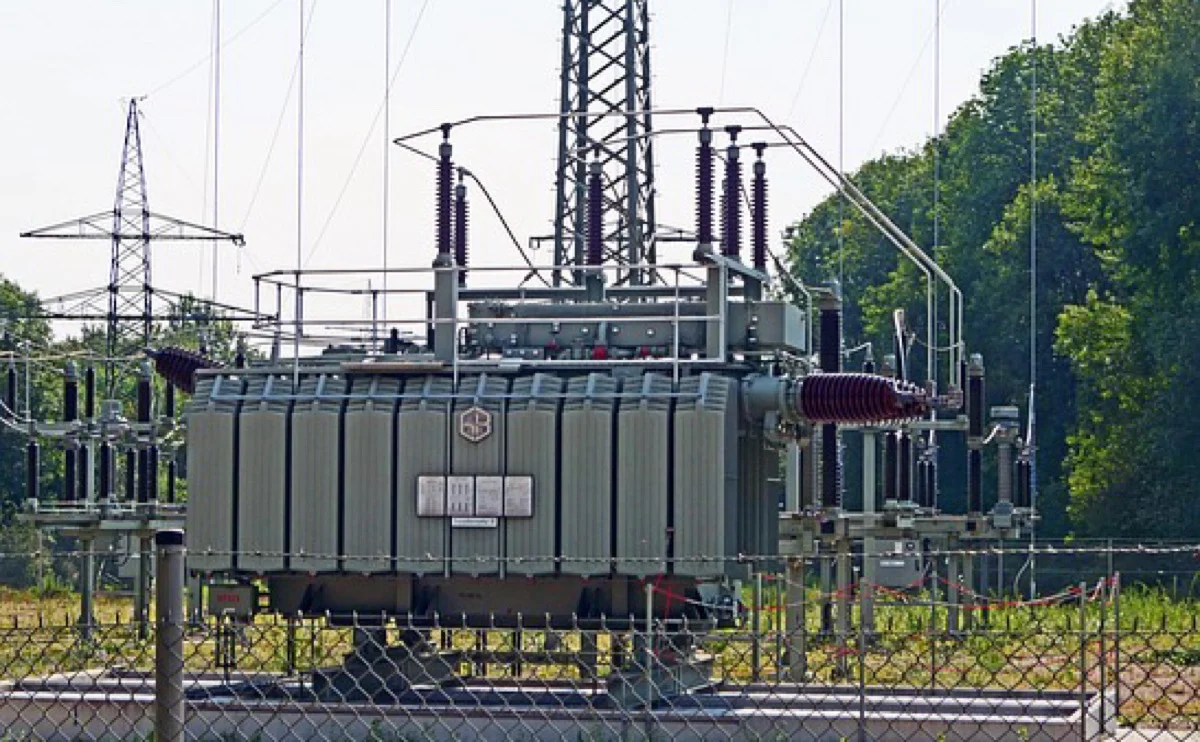
The Critical Role of Strategic OIT Selection
For utilities, industrial plants, and renewable energy developers, choosing the right oil-immersed transformers (OIT) are not just a procurement decision—it’s a long-term investment in reliability, efficiency, and cost control.
A mismatched OIT (e.g., undersized for peak load or incompatible with local conditions) can lead to 30% higher energy losses, frequent breakdowns, and premature replacement. Conversely, a well-selected unit aligns with load demands, environmental constraints, and future expansion plans—delivering decades of trouble-free operation.
With the rise of smart grids and decarbonization goals, OIT selection now also requires accounting for digital integration and eco-friendly features. This shift has made strategic specification more important than ever.
1. 5 Key Factors for Oil-Immersed Transformer Sizing & Specification
1. Load Analysis: Matching Capacity to Actual Demand
The first step in OIT selection is precise load calculation, which goes beyond basic kW requirements. Critical considerations include:
- Peak vs. Average Load: Industrial facilities (e.g., manufacturing plants) often have short-term peak loads 2-3x higher than average, requiring OITs with 1.2-1.5x overload capacity.
- Load Growth: Utilities should factor in 10-15% load increases over the transformer’s lifespan (e.g., new residential developments or EV charging infrastructure).
- Load Type: Harmonic-rich loads (e.g., variable frequency drives in factories) demand OITs with K-factor ratings (K-4 or K-13) to resist overheating from non-sinusoidal currents.
A case study from a Midwest US manufacturing plant shows that upgrading from a standard 500kVA OIT to a K-13 rated 630kVA unit reduced unplanned downtime by 45% by accommodating harmonic loads from new production equipment.
[Suggested Image: “OIT Load Capacity vs. Lifespan Chart” – ALT: “Oil-immersed transformer load capacity and expected service life correlation”]
2. Voltage Class & Insulation Level
OITs are available in voltage classes from 11kV (distribution) to 1000kV (UHV transmission), and insulation levels must match both system voltage and dielectric stress:
- Distribution Grids (11-35kV): Use OITs with basic insulation level (BIL) of 95-200kV to withstand lightning strikes and switching surges.
- Transmission Grids (110-500kV): Require BIL ratings of 450-850kV and reinforced insulation to handle long-distance power transfer.
For example, Brazil’s Belo Monte Hydroelectric Plant uses 500kV OITs with 850kV BIL to transmit power 2,000km to São Paulo, ensuring resilience against tropical storm surges.
3. Environmental Ratings: Adapting to Local Conditions
OIT enclosures and components must be specified for site-specific environments:
- Polluted Areas (e.g., industrial zones): Choose OITs with IP54-rated enclosures to prevent dust and chemical ingress.
- High-Altitude Locations (>1,000m): Upsize insulation to compensate for reduced air dielectric strength (e.g., 10% insulation increase per 1,000m elevation).
- Seismic Zones: Select OITs with seismic bracing (per IEC 60076-11) to withstand earthquakes—common in Japan and California.
4. Cooling Type: Balancing Efficiency & Cost
Cooling system selection depends on load density and space constraints:
- Small Sites (<10MVA): Natural convection (ONAN) is cost-effective and low-maintenance.
- Medium Loads (10-50MVA): Forced air cooling (OFAF) offers higher efficiency without water requirements.
- High-Density Areas (>50MVA): Forced water cooling (OFWF) is ideal for urban substations where space is limited (e.g., Hong Kong’s downtown 220kV substations).
5. Regulatory Compliance: Meeting Global Standards
OITs must adhere to regional standards to ensure safety and interoperability:
- IEC 60076: Global baseline for design, testing, and performance.
- ANSI C57.12: US standard for distribution and power transformers.
- GB 1094: Chinese standard with strict requirements for efficiency and noise.
Non-compliant units risk regulatory penalties and compatibility issues with existing grid infrastructure.
2. Tech Upgrades Reshaping OIT Performance in Smart Grids
The shift to smart grids has driven three transformative upgrades in OIT technology:
1. Digital Monitoring & Predictive Maintenance
Modern OITs integrate IoT sensors to track real-time data on:
- Oil temperature, moisture, and dissolved gas levels.
- Winding hot-spot temperatures (via fiber-optic sensors).
- Tank pressure and vibration (early indicators of leaks or core damage).
This data feeds into AI platforms (e.g., Siemens MindSphere) that predict failures 3-6 months in advance. Italy’s Enel Group deployed this technology across its OIT fleet, reducing maintenance costs by 28% and extending average lifespan by 8 years.
[Suggested Video: “Smart OIT Monitoring System Demo” – 90-second walkthrough of sensor data dashboards and alert systems]
2. Low-Loss Core & Winding Materials
Advancements in materials have cut energy losses by up to 40%:
- Amorphous Metal Cores: Replace traditional silicon steel with iron-based amorphous alloys, reducing no-load losses by 60-70%.
- Copper-Clad Aluminum Windings: Combine copper’s conductivity with aluminum’s light weight, lowering load losses while reducing unit weight by 15%.
Germany’s RWE uses amorphous core OITs in its wind farms, saving 12,000 MWh of energy annually per 100MW capacity.
3. On-Load Tap Changers (OLTCs) for Voltage Flexibility
OLTCs allow OITs to adjust voltage remotely without shutting down, critical for integrating variable renewable energy (VRE) like wind and solar.
- Vacuum OLTCs: Replace oil-immersed tap changers, reducing maintenance and fire risk.
- Solid-State OLTCs: Offer faster voltage adjustments (<1ms) for stabilizing grids with high VRE penetration.
Denmark’s Ørsted uses solid-state OLTC OITs in its offshore wind farms, maintaining voltage stability even as wind speeds fluctuate.
3. Eco-Friendly Innovations: From Biodegradable Oil to Recyclable Design
Decarbonization goals have accelerated the development of sustainable OIT solutions:
1. Biodegradable Insulating Oils
Traditional mineral oil is toxic to aquatic life if spilled. Biodegradable alternatives include:
- Vegetable-Based Oils (e.g., rapeseed, sunflower): 95% biodegradable within 28 days, non-toxic, and with similar dielectric properties to mineral oil.
- Ester-Based Oils: Synthetic esters offer higher fire resistance (fire point >300℃) and compatibility with existing OIT designs.
France’s EDF has replaced mineral oil with ester-based oil in 200+ distribution OITs, eliminating environmental risks in sensitive wetland areas.
2. Recyclable & Modular Designs
Manufacturers are moving toward circular economy principles:
- Modular Cores & Windings: Allow components to be replaced or upgraded without discarding the entire unit.
- Recyclable Materials: Tanks made from 80% recycled steel, and insulation materials that can be repurposed at end-of-life.
Sweden’s ABB produces OITs with 95% recyclable content, reducing landfill waste by 60% compared to traditional units.
3. Low-Noise Operation
New designs minimize noise pollution (a key concern in urban areas):
- Silicon Steel Lamination Optimization: Reduces magnetostriction (core vibration) by 30%.
- Acoustic Enclosures: Absorb noise, lowering sound levels from 75dB to 55dB (equivalent to normal conversation).
Singapore’s SP Group uses low-noise OITs in residential areas, complying with the country’s strict 50dB nighttime noise limit.
[Suggested Image: “Biodegradable Oil Spill Test Comparison” – ALT: “Mineral oil vs. vegetable-based oil biodegradation rate in water”]
4. When to Replace vs. Retrofit: A Cost-Benefit Framework
Deciding whether to retrofit an aging OIT or replace it depends on four key factors:
1. Age & Condition
- Replace: OITs over 30 years old with severe insulation degradation (e.g., acid value >0.2mgKOH/g) or core damage.
- Retrofit: Units 15-25 years old with functional cores but outdated monitoring or cooling systems.
2. Efficiency Gains
Retrofitting with low-loss cores or digital monitoring typically delivers 10-20% efficiency improvements. If the payback period (via energy savings) is <5 years, retrofitting is preferable. For example, a 20-year-old 100MVA OIT retrofitted with an amorphous core saves $120,000 annually in energy costs, with a 4-year payback.
3. Grid Compatibility
OITs unable to integrate with smart grid systems (e.g., no sensor ports for IoT upgrades) should be replaced. Retrofit is viable if the unit can accommodate digital add-ons.
4. Environmental Impact
Replacing an OIT with a biodegradable oil model may qualify for government incentives (e.g., US EPA’s Energy Star rebates), offsetting higher upfront costs. Retrofit is better for minimizing carbon emissions from manufacturing new units.
The US Department of Energy’s (DOE) Transformer Efficiency Calculator helps utilities compare retrofit vs. replacement costs, factoring in energy savings and incentives.
Conclusion: Building Future-Ready OIT Infrastructure
Oil-immersed transformers are no longer just passive power devices—they are intelligent, sustainable components of modern energy systems. Strategic selection based on load, environment, and compliance ensures optimal performance, while digital upgrades and eco-innovations align OITs with decarbonization and smart grid goals.
Whether retrofitting aging units or investing in new technology, the key is to balance short-term costs with long-term value. By prioritizing efficiency, digital integration, and sustainability, utilities and industries can build OIT infrastructure that supports reliable, low-carbon power for decades to come.
As the energy transition accelerates, the OIT will remain a critical link between power generation and consumption—evolving to meet the demands of a cleaner, smarter grid.