 +86 18751738721
 sales@unitatransformer.com
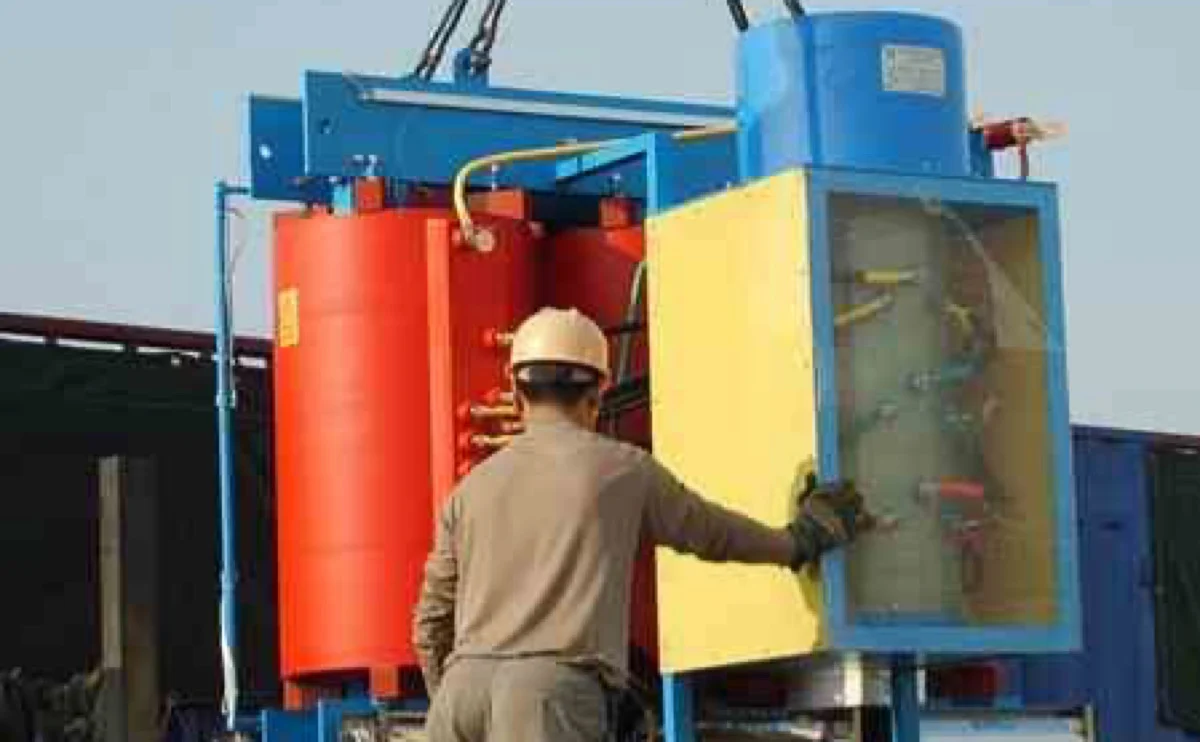
Driven by the global energy transition and carbon neutrality goals, renewable energy sources such as wind and solar power are rapidly developing. Dry-type transformers, with their unique advantages, are demonstrating irreplaceable value in this field.
Excellent Performance in Harsh Environments
Renewable energy power plants are often built in challenging environments such as coastal areas, plateaus, and deserts. Dry-type transformers feature a fully sealed structure with a protection rating of up to IP54 or higher, effectively resisting erosion from salt spray, dust, humidity, and other factors. Their windings undergo special anti-corrosion treatment, ensuring long-term stable operation even in highly corrosive environments.
Perfect Integration with Smart Grids
Modern dry-type transformers can be equipped with intelligent monitoring systems to track parameters such as temperature, load, and insulation status in real time. Through IoT technology, maintenance personnel can remotely monitor equipment operating conditions, enabling predictive maintenance. This smart capability makes them a critical component in the construction of smart grids.
Improving Overall System Efficiency
Dry-type transformers using amorphous core technology reduce no-load losses by more than 60% compared to traditional transformers. This low-loss characteristic is particularly important for intermittent power generation systems like solar and wind, significantly enhancing overall system efficiency.
Easy Installation and Maintenance
Renewable energy power plants are often located in remote areas, making maintenance challenging. Dry-type transformers require no oil pits or fire protection facilities, simplifying foundation construction and shortening installation cycles. Their maintenance-free nature greatly reduces operational and maintenance difficulties and costs in remote locations.
Handling Special Operating Conditions
At the output end of photovoltaic inverters, transformers need to withstand rich harmonic currents. Dry-type transformers employ specially designed windings and cooling systems, offering stronger overload capacity and harmonic tolerance, ensuring stable system operation.
Future Development Trends
As the share of renewable energy continues to grow, dry-type transformers are evolving toward higher voltage levels, larger capacities, and greater efficiency. The application of new materials and processes will further enhance their performance and optimize costs.
In the era of renewable energy, dry-type transformers, with their safety, reliability, energy efficiency, environmental friendliness, and smart capabilities, are providing crucial support for building a clean, low-carbon, safe, and efficient energy system. Their technological innovations and expanding applications will continue to drive the green transformation of the energy industry.