 +86 18751738721
 sales@unitatransformer.com
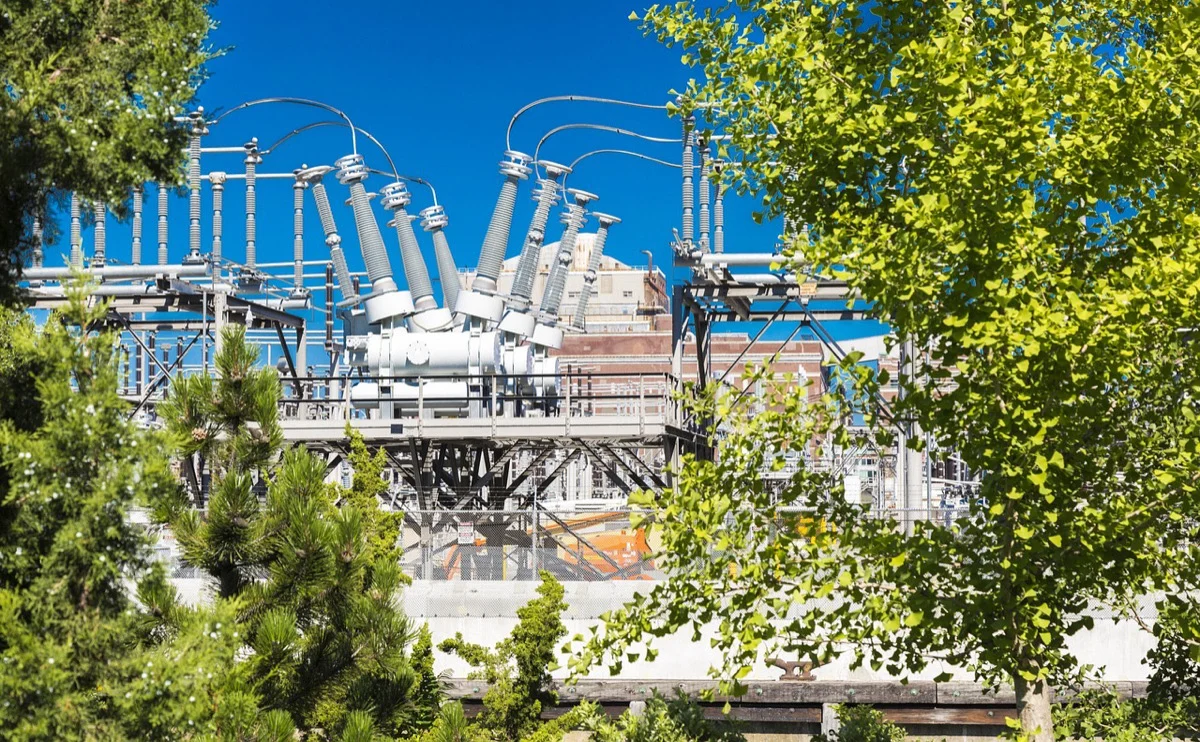
Driven by carbon neutrality goals, the installed capacity of new energy generation continues to grow rapidly. As key equipment connecting power generation units to the grid, the selection of specialized distribution transformers for new energy stations directly affects power generation efficiency and operational reliability. Compared with traditional distribution transformers, those used in new energy stations need to cope with more complex operating environments and more demanding technical requirements.
1. Special Requirements of New Energy Stations for Distribution Transformers
- Load Characteristics Differences
- Photovoltaic power stations: Day-night alternation, large load fluctuations
- Wind farms: Random and intermittent load characteristics
- Frequent light-load and overload operating conditions
- Power Quality Requirements
- High harmonic content (generated by photovoltaic inverters and wind power converters)
- Frequent voltage fluctuations
- Requires stronger anti-interference capability
- Environmental Adaptability
- Outdoor installation requires high protection level (usually IP54 or above)
- Corrosion resistance and salt spray protection (coastal areas)
- Wind and sand resistance, high temperature resistance (northwest regions)
2. Key Technical Parameters of New Energy Distribution Transformers
- Overload Capacity Requirements
- 125% load can operate continuously for 2 hours
- 150% load can operate continuously for 30 minutes
- Possess short-term overload capability
- Harmonic Tolerance Capability
- K-factor ≥ 13 (higher requirements)
- Use derating design or special winding structure
- Enhanced insulation and heat dissipation design
- Protection Level
- Shell protection level: IP54 and above
- Anti-corrosion treatment of internal components
- Custom design for special environments
3. Selection Recommendations for New Energy Distribution Transformers
- Type Selection
- Oil-immersed: Large capacity, low cost, suitable for large ground power stations
- Dry-type: Fire and explosion proof, suitable for distributed projects
- Dual-split type: Improve power supply reliability, reduce fault impact range
- Capacity Calculation
- Consider simultaneity factor and overload requirements
- Reserve 10-20% capacity margin
- Consider future expansion needs
- Special Configurations
- Enhanced cooling system
- Special insulation materials
- Smart monitoring interface
4. Key Points of Operation and Maintenance Management
- Monitoring Focus
- Harmonic content monitoring
- Real-time temperature monitoring
- Insulation status detection
- Maintenance Characteristics
- More frequent oil quality testing
- Focus on checking connection parts
- Strengthen cleaning maintenance
5. Conclusion
The selection of distribution transformers for new energy stations needs to comprehensively consider technical performance, environmental adaptability and economy. It is recommended to choose distribution transformer manufacturers with experience in new energy projects to provide customized solutions. At the same time, attention should be paid to operation and maintenance to ensure the long-term reliable operation of distribution transformers in special environments.