 +86 18751738721
 sales@unitatransformer.com
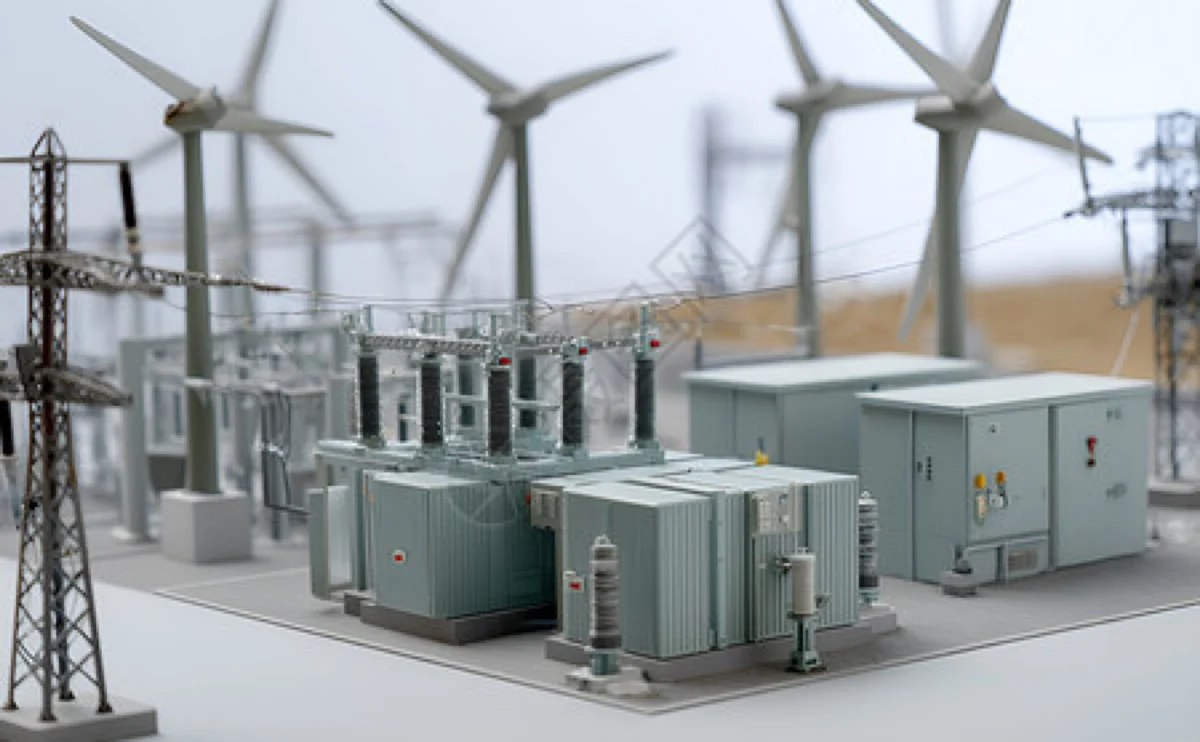
As critical equipment in power systems, the operating condition of distribution transformers directly affects power supply reliability. Understanding the diagnosis and handling methods for common faults is an essential skill for every power maintenance personnel. This article provides practical troubleshooting guidelines and solutions for the most common faults in distribution transformers.
1. Overheating Fault Diagnosis and Handling
Fault Phenomena:
- Abnormal oil temperature rise (exceeding 95°C)
- Significantly high shell temperature
- Abnormal temperature without overload
Possible Causes:
- Overload operation
- Cooling system failure (radiator blockage, fan stoppage)
- Internal poor contact (tap changer, lead connections)
- Core multi-point grounding
Handling Steps:
- Immediately check load conditions; reduce load if overloaded
- Check cooling system operation status, clean radiator surface dirt
- Use infrared thermal imager to detect hot spots
- Take oil samples for chromatographic analysis to determine internal fault type
2. Abnormal Sound Diagnosis and Handling
Fault Phenomena:
- Sudden increase or change in continuous “buzzing sound”
- Accompanied by “crackling” discharge sounds
- Irregular vibration noises
Possible Causes:
- Loose core or clamping parts
- Winding deformation or displacement
- Internal discharge
- Loose components
Handling Steps:
- Use acoustic detector to identify sound source location
- Check if fasteners are loose
- Perform winding deformation test
- Immediately stop operation for repair (if accompanied by discharge sounds)
3. Oil Quality Abnormality Diagnosis and Handling
Fault Phenomena:
- Abnormal oil level drop or rise
- Darkened, turbid oil color
- Excessive gas content in oil
Possible Causes:
- Seal aging causing oil leakage
- Internal overheating leading to oil deterioration
- Moisture intrusion
- Internal discharge generating combustible gases
Handling Steps:
- Regularly take oil samples for laboratory analysis
- Check sealing condition, replace aging seals
- If water content exceeds standards, perform vacuum oil filtration
- If acetylene content exceeds standards, immediately stop operation for inspection
4. Electrical Fault Diagnosis and Handling
Fault Phenomena:
- Decreased insulation resistance
- Abnormal winding DC resistance
- Frequent protection device operation
Possible Causes:
- Insulation aging
- Winding short circuit or grounding
- Bushings flashover
- Tap changer failure
Handling Steps:
- Regularly perform preventive tests
- Use megger to measure insulation resistance
- Perform winding DC resistance test
- Check bushing surface cleanliness
5. Preventive Maintenance Recommendations
- Establish Inspection System
- Daily inspection: oil level, oil temperature, load
- Monthly check: connection tightness, sealing condition
- Annual maintenance: preventive tests, oil quality analysis
- Improve Monitoring Methods
- Install online monitoring devices
- Establish equipment health records
- Implement condition-based maintenance
- Enhance Personnel Training
- Regularly organize fault drills
- Learn latest diagnostic technologies
- Establish emergency response mechanisms
6. Conclusion
Fault diagnosis of distribution transformers requires comprehensive application of various technical methods, gradually troubleshooting from phenomena to essence. Establishing a complete preventive maintenance system can effectively reduce fault occurrence rates and improve power supply reliability. It is recommended that maintenance units equip necessary testing devices, conduct regular professional training, and enhance emergency response capabilities for faults.