 +86 18751738721
 sales@unitatransformer.com
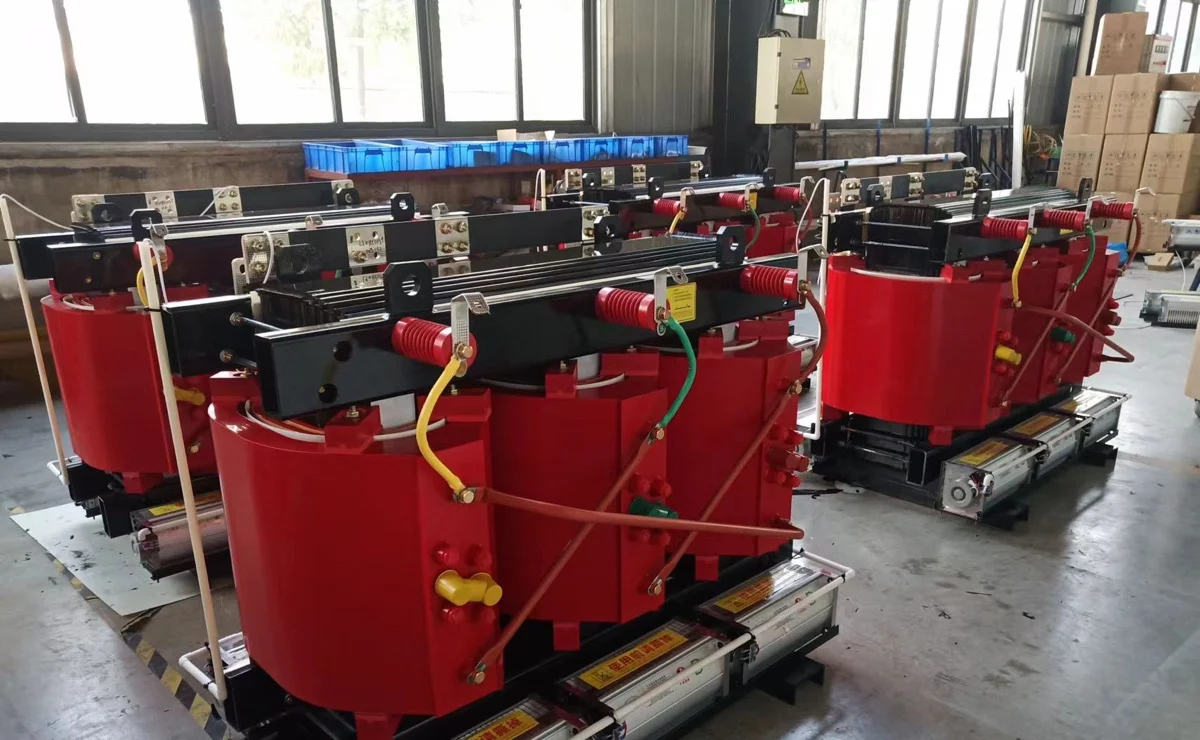
About oil-immersed transformer ,every corner of the modern world, from the neon lights of bustling cities to the illuminated homes of remote villages, the stable transmission of electricity relies on a core piece of equipment—the oil-immersed transformer. As the most common and technologically mature type of transformer in power systems, it is responsible for voltage transformation, power distribution, and safety isolation. But what exactly is an oil-immersed transformer? How does it work? What irreplaceable advantages does it offer? This article will reveal all.
1. What is an Oil-Immersed Transformer?
An oil-immersed transformer, as the name suggests, is a type of power transformer where the core and windings are immersed in a special insulating oil. This design gives it exceptional insulation and cooling performance, making it highly suitable for high-voltage and high-capacity applications. It is the workhorse equipment in national grids, industrial plants, commercial buildings, and renewable energy power stations, rightly called the “silent hero” of the modern power network.
2. How an Oil-Immersed Transformer Works & Its Core Structure
The basic working principle of an oil-immersed transformer is electromagnetic induction. It increases or decreases voltage based on the turn ratio between the primary and secondary windings.
A typical oil-immersed transformer consists of the following core components:
- Core: Made from high-permeability silicon steel laminations, it provides the magnetic path for energy transfer.
- Windings: Comprising high-voltage and low-voltage windings, made from insulated copper or aluminum wire, forming the electrical circuit.
- Transformer Oil: This is the “lifeblood” of the oil-immersed transformer. It plays the dual key role of insulation and cooling. It effectively prevents internal breakdown between windings and also dissipates heat generated during operation through convection, ensuring stable performance.
- Tank: The container that holds the transformer oil, core, and windings, often equipped with radiators or cooling tubes to increase the heat dissipation area.
- Conservator (Oil Buchholz Relay): Adjusts for the expansion and contraction of the transformer oil due to temperature changes, reduces oil contact with air, and prevents oil aging.
- Bushings: Safely connect the internal winding leads to the external electrical lines while ensuring insulation against the ground.
- Protection Devices: Such as the Buchholz relay and pressure relief device, which monitor internal faults in real-time, providing alarms or tripping to ensure crucial safety.
3. Core Advantages of Oil-Immersed Transformers
Why do oil-immersed transformers dominate in numerous applications? This is due to their unparalleled advantages:
- Excellent Insulation: The dielectric strength of transformer oil is far superior to air, allowing oil-immersed transformers to handle extremely high voltage levels easily.
- Efficient Cooling Capability: The convective circulation of the oil quickly transfers heat from the windings and core to the tank walls, where it is dissipated, allowing the transformer to handle higher loads and have a longer service life.
- High Reliability & Long Life: With proper maintenance, a high-quality oil-immersed transformer can have a design life of 20-30 years or even longer, operating stably and reliably.
- Strong Overload Capacity: Thanks to its superior cooling performance, it can withstand short-term overloads.
- Cost-Effectiveness: For high-capacity, high-voltage applications, the manufacturing cost of an oil-immersed transformer is generally lower than that of an equivalent dry-type transformer, offering better economics.
4. Oil-Immersed Transformer vs. Dry-Type Transformer: How to Choose?
While dry-type transformers (where windings are insulated by solid materials like epoxy resin) are widely used in indoor locations with high fire safety requirements (such as office buildings, hospitals, and subway stations), oil-immersed transformers are still the preferred choice for:
- Outdoor substations and power plants
- Main distribution systems in large industrial and mining enterprises
- Wind farm and solar park step-up substations
- Applications requiring very large capacities (typically above 2500kVA) and very high voltages
The key to selection lies in a comprehensive consideration of the application environment, capacity, voltage, budget, and safety regulations.
5. Conclusion
In summary, oil-immersed transformers, with their mature technology, robust performance, outstanding reliability, and good economy, continue to play a vital role in global power infrastructure. Whether powering a city or driving a large factory, they are the cornerstone of efficient and stable power conversion.
If you are looking for an efficient and reliable power transformer solution for your project, contacting a professional oil-immersed transformer manufacturer is crucial. They can provide the most suitable product based on your specific needs (such as capacity, voltage level, oil-immersed transformer model) and offer quality after-sales service to ensure the long-term stable operation of your power system.