 +86 18751738721
 sales@unitatransformer.com
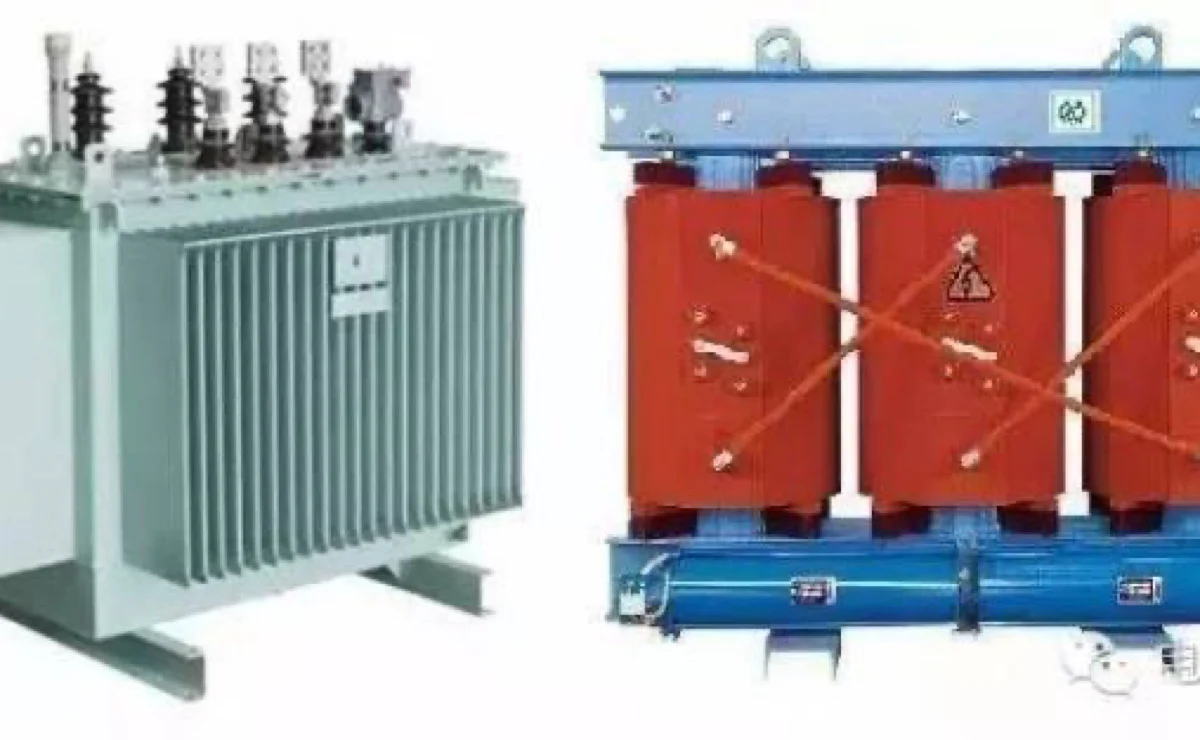
In power transmission and distribution systems, transformers are indispensable core equipment. Although traditional oil-immersed transformers are widely used, their flammable and explosive drawbacks pose safety risks in many specific scenarios. Therefore, the dry-type transformer (Dry-Type Transformer), as a modern power equipment solution that is safe, eco-friendly, and maintenance-free, is increasingly becoming the preferred choice in the power distribution field.
1. What is a Dry-Type Transformer?
A dry-type transformer, as the name suggests, is a transformer whose core and windings are not immersed in insulating oil but are instead cast with solid insulating materials like epoxy resin or treated with high-temperature insulation materials (such as NOMEX paper) using Vacuum Pressure Impregnation (VPI). Its cooling medium is air, dissipating heat through natural cooling or forced air cooling, fundamentally eliminating the risks of fire, explosion, and oil leakage.
2. Core Structure and Working Principle of Dry-Type Transformers
The basic structure of a dry-type transformer is similar to that of an oil-immersed transformer, mainly consisting of a core made of laminated silicon steel sheets and windings wound with copper or aluminum wires. Its uniqueness lies in the insulation and cooling methods:
- Winding Insulation Technology: Mainly divided into SCB epoxy resin cast and SG open ventilated types.
- Epoxy Resin Casting: The windings are sealed by casting with glass fiber reinforced epoxy resin, offering excellent moisture, dust, and corrosion resistance, high mechanical strength, and low noise.
- Open Ventilated Type: The windings are treated with Vacuum Pressure Impregnation (VPI), coated with high-temperature insulating paint, providing better heat dissipation and stronger overload capacity.
- Cooling Method: Relies on air convection cooling. Low-capacity transformers use ANAN (natural air cooling), while larger capacity transformers are equipped with fans for AFAN (forced air cooling) to enhance short-term overload capacity.
Its working principle still follows the law of electromagnetic induction, enabling voltage transformation and power transmission.
3. Significant Advantages and Characteristics of Dry-Type Transformers
Choosing a dry-type transformer means opting for a higher level of safety and reliability. Its main advantages are reflected in:
- High Safety: Non-flammable, flame-retardant, self-extinguishing, will not explode, making it particularly suitable for high-rise buildings, densely populated areas, and flammable and explosive environments with strict fire protection requirements.
- Excellent Environmental Friendliness: No insulating oil is needed, avoiding soil and water pollution from oil leaks. It is a truly green and eco-friendly power equipment.
- Convenient Maintenance: Maintenance-free or simple maintenance; no need for regular checks of oil level and quality like oil-immersed transformers, saving significant later operation and maintenance costs.
- Outstanding Performance: High mechanical strength, strong short-circuit resistance; good moisture resistance, adaptable to harsh environments; low losses, significant energy-saving effects, many products meet the first-level energy efficiency standard.
- Flexible Installation: Relatively compact size, easy installation, can be installed directly at the load center, reducing line losses, suitable for indoor installation.
4. Wide Application Fields of Dry-Type Transformers
Due to their unique advantages, dry-type transformers are widely used in the following key fields:
- Commercial and Civil Buildings: Power distribution systems in densely populated places such as high-rise office buildings, large shopping malls, hotels, airports, and subway stations.
- Healthcare Systems: Lifeline engineering with extremely high requirements for power supply continuity and safety, such as operating rooms and ICUs in hospitals and medical centers.
- Industrial and Mining Enterprises: Hazardous environments with flammable, explosive dust or gases, such as chemical plants, oil platforms, and mines.
- Data Centers and Infrastructure: Critical facilities with extremely high requirements for power quality, such as data centers, communication hubs, banks, and stock exchanges.
- New Energy Power Generation: Boosting systems for wind farms and photovoltaic power plants, with strong environmental adaptability.
5. How to Choose the Right Dry-Type Transformer?
When selecting a dry-type transformer, the following factors need to be considered comprehensively:
- Capacity (KVA): Determined based on actual load calculations.
- Voltage Level: Input and output voltage requirements.
- Insulation Class (e.g., Class F, Class H): Determines its temperature resistance and overload potential.
- Protection Level (IP code): Such as IP20 (indoor) or IP23 (can be outdoors), indicates dust and water protection capability.
- Energy Efficiency Level: Prioritize products with first-level energy efficiency for more energy savings in the long run.
- Brand and Quality: Choose manufacturers with a good reputation to ensure product reliability and after-sales service.
Conclusion
In summary, with its outstanding characteristics of being safe, reliable, eco-friendly, and energy-saving, the dry-type transformer has become a mainstay of modern power distribution systems. Whether it’s enhancing urban grid safety or supporting industrial development and digital transformation, it plays a vital role. Choosing the right dry-type transformer is a key step in building efficient, stable, and green power infrastructure.