 +86 18751738721
 sales@unitatransformer.com
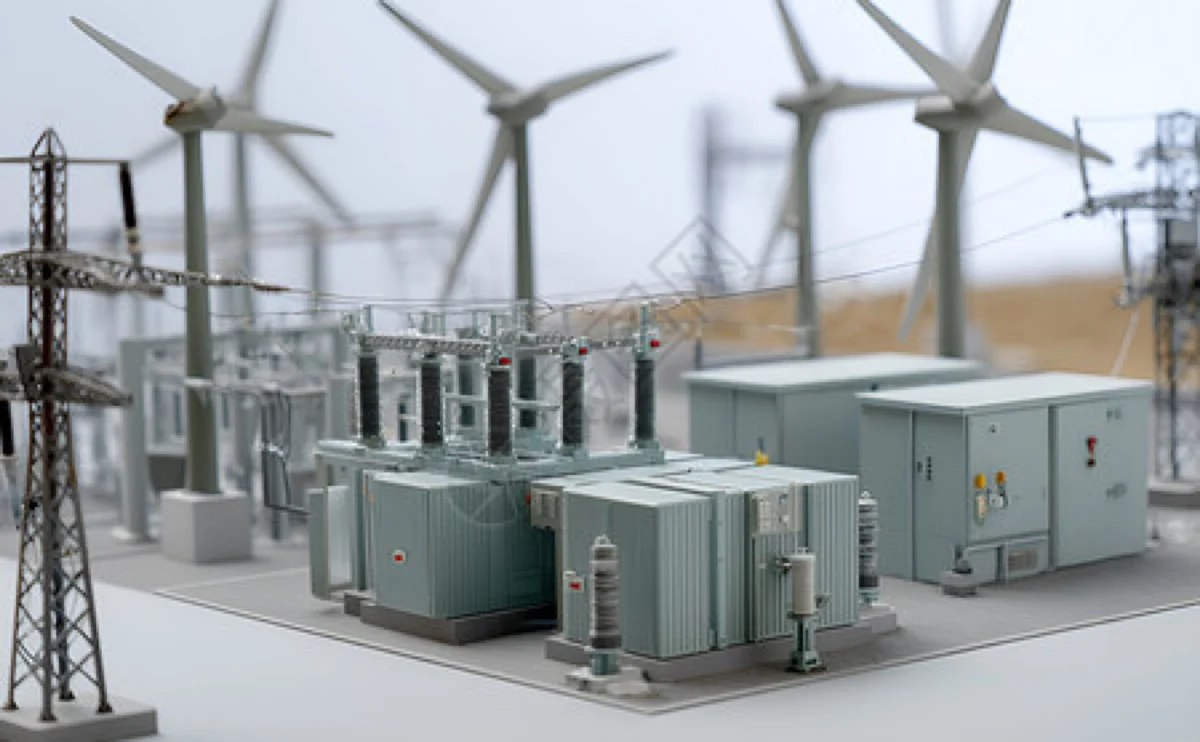
Dry-type transformers, as critical equipment in the power distribution field, are gaining widespread adoption globally due to their excellent technical performance and environmental characteristics. This type of power equipment, which utilizes solid insulation technology, completely eliminates the dependence on insulating oil and demonstrates unique advantages.
Core Technical Advantages
- Safety and Reliability: Dry-type transformers employ epoxy resin casting technology to form a complete solid insulation system, entirely eliminating fire risks and oil leakage hazards, ensuring operational safety.
- Environmental Protection and Energy Efficiency: The oil-free design avoids environmental pollution, while low-loss characteristics significantly improve energy efficiency, meeting the requirements of green grid construction.
- Maintenance Convenience: The simple structure of dry-type transformers eliminates the need for oil processing, greatly reducing maintenance costs and workload.
- Environmental Adaptability: Excellent moisture resistance and corrosion resistance capabilities allow adaptation to various complex installation environments.
Key Technical Features
- Insulation Class: Typically utilizes Class F or H insulation systems with high temperature resistance.
- Cooling Method: Employs natural air cooling or forced air cooling heat dissipation designs.
- Protection Level: Enclosure protection can reach IP54, ensuring equipment operational safety.
- Overload Capacity: Possesses strong short-term overload capability, guaranteeing power supply reliability.
Major Application Areas
Dry-type transformers are widely used in:
- High-rise buildings: Office buildings, hotels, and other densely populated places.
- Public facilities: Hospitals, schools, stadiums, and other important public venues.
- Industrial sectors: Chemical plants, mines, and other flammable and explosive environments.
- Infrastructure: Subways, airports, data centers, and other critical facilities.
- New energy: Photovoltaic power plants, wind farms, and other green energy projects.
Technological Innovation Development
Modern dry-type transformers are innovating and developing in the following directions:
- Intelligentization: Integration of temperature monitoring, fault diagnosis, and other intelligent functions.
- High Efficiency: Adoption of new materials and processes to further reduce operational losses.
- Compact Design: Optimization of structural design to reduce equipment volume and footprint.
- Environmental Sustainability: Use of recyclable materials to reduce environmental impact throughout the lifecycle.
Market Outlook
With the acceleration of urbanization and increasing environmental requirements, the market demand for dry-type transformers continues to grow. Especially in new residential areas, commercial complexes, industrial parks, and other projects, dry-type transformers have become the preferred solution. In the future, with the development of smart grids and new energy, the technical level and market share of dry-type transformers will further improve.
Conclusion
Dry-type transformers, with their outstanding advantages such as safety, reliability, energy efficiency, environmental protection, and maintenance convenience, are becoming an important part of modern power distribution systems. With continuous technological advancements and expanding application areas, dry-type transformers will undoubtedly inject new vitality into the development of the power industry and make significant contributions to building intelligent, green, and efficient energy systems.