 +86 18751738721
 sales@unitatransformer.com
What is a Dry-Type Transformer?
As the name suggests, dry-type transformers do not immerse their core and windings in insulating oil. Instead, they use solid insulation materials (such as epoxy resin) for casting or impregnation and rely on air self-cooling or forced air cooling for heat dissipation. This inherently non-flammable design fundamentally eliminates the risk of fire and explosion, which is one of its greatest advantages.
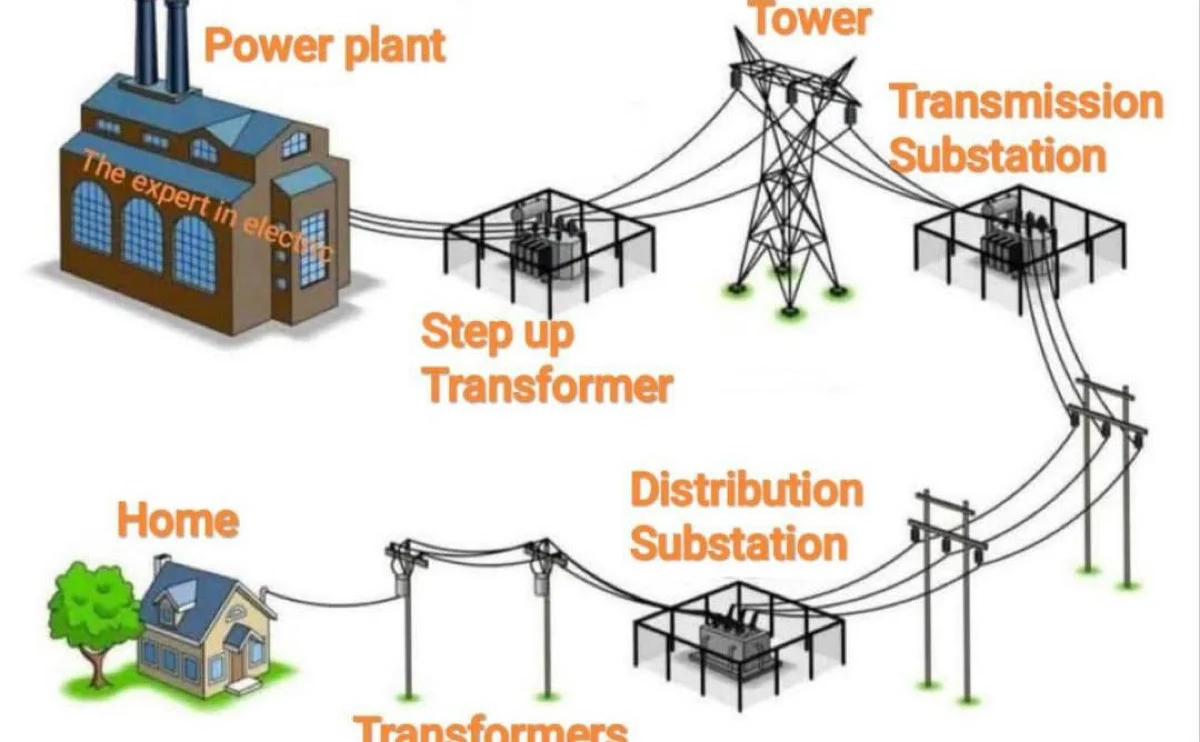
In power transmission and distribution systems, transformers are indispensable core equipment. Traditionally, oil-immersed transformers have been widely used due to their excellent heat dissipation and insulation properties. However, with accelerated urbanization and increasing demands for safety and environmental protection, dry-type transformers are gradually becoming the preferred choice for many applications, especially in indoor locations with high population density.
Core Advantages and Keyword Highlights
- High Safety
- Strong Flame Retardancy: The epoxy resin used in the windings has excellent flame-retardant and self-extinguishing properties. Even under high heat or short-circuit conditions, it will not fuel a fire, effectively avoiding fire hazards.
- No Pollution Risk: Since no insulating oil is used, the problem of oil leakage is completely eliminated, preventing soil and groundwater contamination and making it environmentally friendly.
- Excellent Environmental Performance
- Recyclability: Most materials in dry-type transformers can be recycled, aligning with the principles of a circular economy.
- Low Noise: Advanced design and manufacturing processes result in significantly lower operating noise compared to oil-immersed transformers, making them highly suitable for locations with strict acoustic environment requirements.
- Outstanding Reliability and Long Service Life
- Moisture and Dust Resistance: Windings treated with vacuum casting technology form a solid (whole), effectively resisting moisture, dust, and corrosive gases, ensuring stable insulation performance and high mechanical strength.
- Strong Overload Capacity: Thanks to their high heat resistance class (typically Class F or H) and good thermal design, dry-type transformers have a strong short-time overload capacity, enabling them to better handle load fluctuations.
- Convenient Installation and Maintenance
- Easy Installation: Relatively compact size and light weight eliminate the need for complex ancillary facilities like oil pits and oil containment basins, greatly simplifying the installation process and reducing civil engineering costs.
- Simple Maintenance: Unlike oil-immersed transformers, they do not require regular oil sampling checks or oil filtration, enabling maintenance-free or low-maintenance operation and significantly reducing long-term operational costs.
Main Application Areas
Benefiting from the above advantages, dry-type transformers are widely used in occasions with extremely high safety and reliability requirements:
- Civil Buildings: Power distribution systems in high-rise buildings, shopping malls, hospitals, schools, airports, and subway stations.
- Industrial Sector: Flammable, explosive, or harsh environments such as petrochemical plants, underground mines, shipbuilding, and offshore platforms.
- Infrastructure: Data centers, rail transit, and booster stations for renewable energy generation (e.g., photovoltaic, wind power), where requirements for power supply continuity are extremely high.
Conclusion
In summary, dry-type transformers, with their unparalleled safety, excellent environmental characteristics, and low maintenance costs, perfectly align with the concepts of modern urban development and green building. Although their initial purchase cost may be slightly higher than traditional oil-immersed transformers, considering the comprehensive benefits over their entire lifecycle, they are undoubtedly a key equipment driving power distribution systems towards safer, more efficient, and more intelligent development. When selecting a transformer, the dry-type transformer has become the undeniable preferred solution for indoor and special environment applications.