 +86 18751738721
 sales@unitatransformer.com
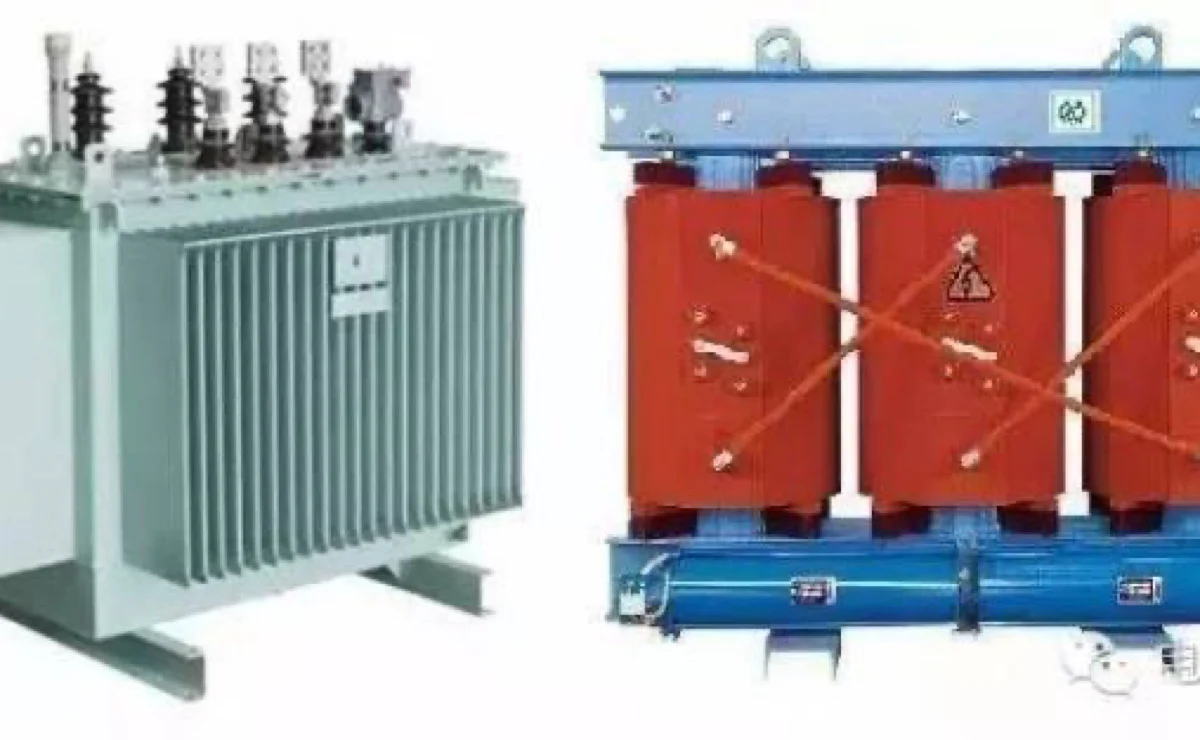
Dry-type transformers offer enhanced safety (oil-free design eliminates fire hazards) and eco-friendly maintenance-free operation (no pollution, no oil filtration required). They also deliver high energy efficiency (low losses, compatible with smart grid demands), making them an ideal choice for modern power distribution systems.
Against the backdrop of profound changes in the global energy landscape, innovation in power equipment has become a core driver of the energy transition. As a critical component in the power distribution field, dry-type transformers are demonstrating unprecedented value potential through technological iterations and application innovations. This article focuses on the breakthrough developments of dry-type transformers in intelligence, new material applications, and emerging scenarios.
I. Technological Breakthroughs: From Basic Insulation to Intelligent Integration
- Next-Generation Insulation Systems
Utilizing nano-modified epoxy resins and bio-based insulating materials, mechanical strength and heat resistance (up to Class C insulation) are significantly enhanced while reducing the product’s carbon footprint. - Intelligent Sensing and Digital Twins
Built-in multi-parameter sensors (temperature, vibration, partial discharge) enable real-time data interaction through IoT platforms, constructing digital twin models to support fault prediction and energy efficiency optimization. - Adaptive Cooling Technology
Combining artificial intelligence algorithms to dynamically adjust fan speed, achieving an optimal balance between energy efficiency and heat dissipation, with no-load losses reduced by over 25% compared to traditional models.
II. Why High-End Markets Prefer Dry-Type Transformers?
| Feature | Traditional Oil-Immersed Transformers | Modern Dry-Type Transformers |
|---|---|---|
| Safety Level | Flammable insulating oil, explosion risk | Oil-free design, complies with highest fire safety standards (UL certification) |
| Environmental Impact | Requires waste oil disposal, potential soil pollution | Fully recyclable lifecycle, pollution-free |
| Space Adaptability | Requires independent oil pits and protective facilities | Can be wall-mounted, saving 40% space |
| Maintenance Cost | Regular oil testing and filtration needed | Maintenance-free design, supports remote diagnostics |
III. Deep Expansion into Cutting-Edge Applications
- Zero-Carbon Parks and Microgrids
As core nodes of integrated solar-storage-charging systems, they support bidirectional energy flow and harmonic, helping parks achieve net-zero emissions. - Supercomputing Centers and AI Computing Clusters
Customized low-inductance winding designs suppress high-frequency harmonics, providing power quality for GPU servers that exceeds IEEE 519 standards. - Deep-Sea Wind Power and Offshore Platforms
Utilizing anti-corrosion coatings + gas-sealed packaging technology, they adapt to high-salt, high-humidity environments, reducing failure rates by 60% compared to oil-immersed transformers. - Pulse Power and Specialized Industries
Employing modular matrix structures to withstand instantaneous high-current impacts (e.g., electroslag remelting furnaces, particle accelerators).
IV. New Dimensions for Selection: Key Parameters for the Future
- Full Lifecycle Carbon Accounting (LCA)
Require suppliers to provide carbon footprint reports based on ISO 14067, prioritizing carbon-neutral certified products. - Harmonic Immunity (K-Factor/K-Rated)
For high-harmonic scenarios such as data centers and semiconductor factories, select products with K=20 or higher ratings. - Smart Interaction Protocols
Support communication protocols like IEC 61850 and Modbus TCP for seamless integration into Energy Management Systems (EMS). - Redundancy and Scalability
Adopt dual-circuit designs or reserve expansion interfaces to meet future load growth needs.
V. Technological Evolution Path for the Next Decade
- 2025-2028: Widespread adoption of liquid cooling + phase-change material hybrid heat dissipation technology, increasing power density by 50%.
- Around 2030: Application of high-temperature superconducting windings will achieve a revolutionary breakthrough with an 80% reduction in losses.
- 2035 Vision: Blockchain-based autonomous scheduling of distributed transformer clusters will become core units of Virtual Power Plants (VPPs).
Conclusion
Dry-type transformers have evolved from“power conversion units” into integrated energy nodes combining safety, intelligence, and sustainability. In the face of carbon neutrality goals and the digital wave, their technological and application boundaries are rapidly being reshaped. For decision-makers, proactively adopting next-generation dry-type transformers is not only a technological upgrade but also a strategic move to shape future energy competitiveness.