 +86 18751738721
 sales@unitatransformer.com
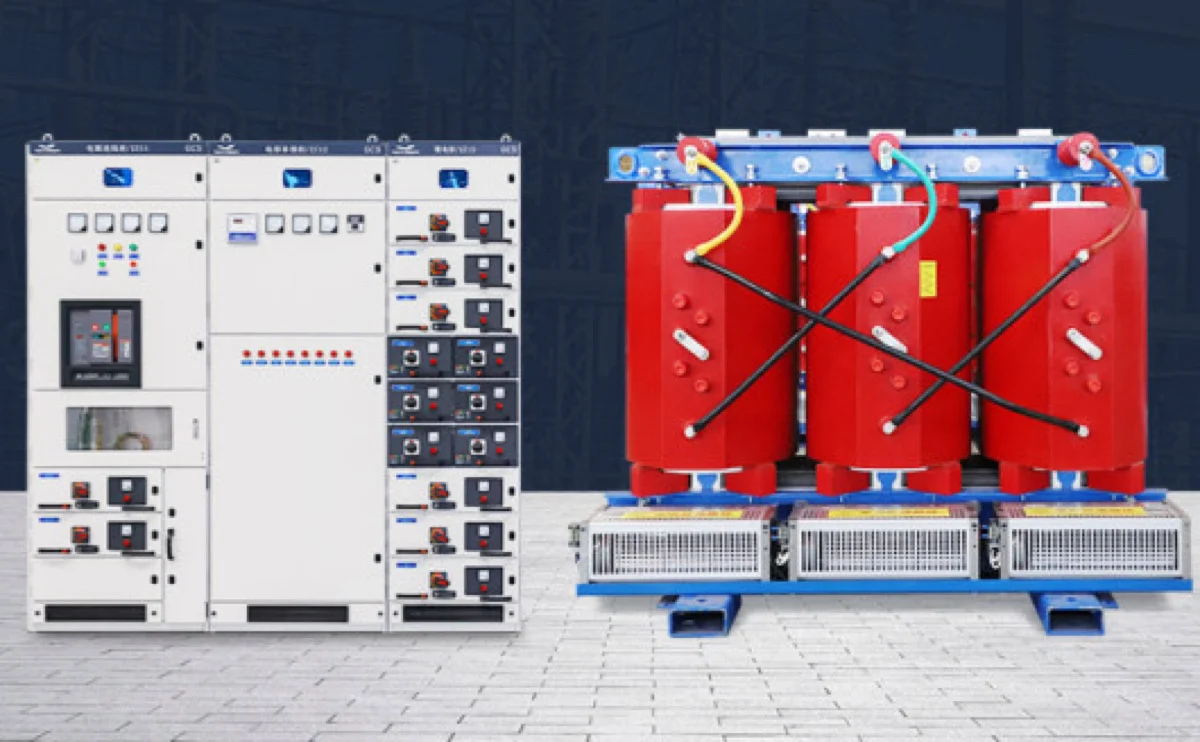
Amid the global wave of energy transition and intelligent construction, power equipment is evolving towards greater safety, intelligence, and environmental sustainability. Dry-type transformers, as core equipment in modern power distribution systems, are demonstrating significant value in emerging fields such as rail transportation, renewable energy generation, and data centers, thanks to their unique technical advantages. This article provides an in-depth analysis of the technical features, application innovations, and development trends of dry-type transformers.
I. Technological Evolution and Innovation of Dry-Type Transformers
Traditional oil-immersed transformers rely on insulating oil for heat dissipation and insulation, posing risks such as oil leaks and flammability. In contrast, dry-type transformers employ a solid insulation system, with two main technical types:
- Cast Resin: Windings are molded using epoxy resin under vacuum conditions, offering excellent moisture and corrosion resistance, making them suitable for high-humidity environments.
- Open-Wound: High-temperature insulating materials (e.g., NOMEX®) directly wrap the conductors, providing higher heat dissipation efficiency and stronger overload capacity.
In recent years, the application of new materials and processes has further enhanced the performance of dry-type transformers:
- Class H and Class C insulating materials: Allow higher operating temperatures, reduce equipment size, and enable compact designs.
- Intelligent monitoring systems: Integrated temperature sensors and partial discharge monitoring devices enable online condition diagnosis and predictive maintenance.
II. Enhanced Core Advantages: Why Choose Dry-Type Transformers?
- Ultimate Safety for Sensitive Environments
- The oil-free design completely eliminates fire and explosion risks, making them essential for locations with extremely high safety requirements, such as high-rise buildings, subway tunnels, and petrochemical plants.
- Green and Low-Carbon, Eco-Friendly Throughout Lifecycle
- Free of PFAS (permanent chemicals) and oil leakage risks, the production and disposal processes comply with stringent international environmental regulations (e.g., RoHS, REACH), helping companies achieve carbon neutrality goals.
- High Efficiency and Energy Savings, Reducing Operating Costs
- The use of high-permeability silicon steel sheets or amorphous alloy cores reduces no-load losses by 10%-30% compared to traditional oil-immersed transformers, making them highly efficient products certified under national energy efficiency standards.
- Intelligence and High Compatibility
- As ideal components for smart substations and the Internet of Things (IoT), they can seamlessly integrate into energy management systems, enabling remote monitoring, load optimization, and power quality analysis.
III. Expansion into Cutting-Edge Application Scenarios
- Renewable Energy Generation: In step-up systems for photovoltaic power stations and wind farms, dry-type transformers offer high reliability, withstanding frequent load fluctuations and harsh natural environments.
- Data Centers and 5G Infrastructure: As dedicated computer room transformers, they provide clean and stable power for core loads (servers, switches) and meet the heat dissipation and safety requirements for close-proximity indoor installation.
- Rail Transportation and Electric Vehicles: Used in traction power supply and charging station infrastructure, supporting high-frequency, high-current operating modes.
- Industry 4.0 Smart Factories: Deliver high-quality power for automated production lines, robots, frequency converters, and other sensitive loads, with strong short-circuit resistance ensuring uninterrupted production.
IV. Selection Guide: How to Match the Optimal Solution?
When selecting a dry-type transformer, in addition to capacity and voltage level, consider the following:
- Energy Efficiency Level: Prioritize products compliant with China’s Grade 1 energy efficiency standards or the EU’s IE4/IE5 energy efficiency levels.
- Protection Level (IP Code): For outdoor or dusty environments, choose a protection level of IP54 or higher.
- Insulation Thermal Class (Class F, H, C): Higher classes offer greater overload capacity and longer lifespan.
- Harmonic Environment Adaptability: For loads with select K-factor transformers to mitigate harmonic effects.
- Supplier’s Full Lifecycle Services: Include technical support, installation guidance, and post-maintenance solutions.
V. Future Trends: Digitalization and Sustainable Development
In the future, dry-type transformers will further integrate with digital technologies:
- Digital Twins: Real-time virtual models mirror the status of physical transformers, optimizing operational strategies.
- Green Material Applications: Bio-based epoxy resins and recyclable insulating materials will significantly reduce the product carbon footprint.
- Modular Design: Supports rapid deployment and convenient upgrades, meeting the flexibility needs of power grids.
Conclusion
Dry-type transformers have transcended their traditional role as “power conversion devices” to become key components in building resilient power grids and achieving sustainable development. For users seeking safety upgrades, energy efficiency improvements, and digital transformation, investing in advanced dry-type transformer technology is undoubtedly a forward-thinking choice.