+86 15852255369
 sales@unitatransformer.com
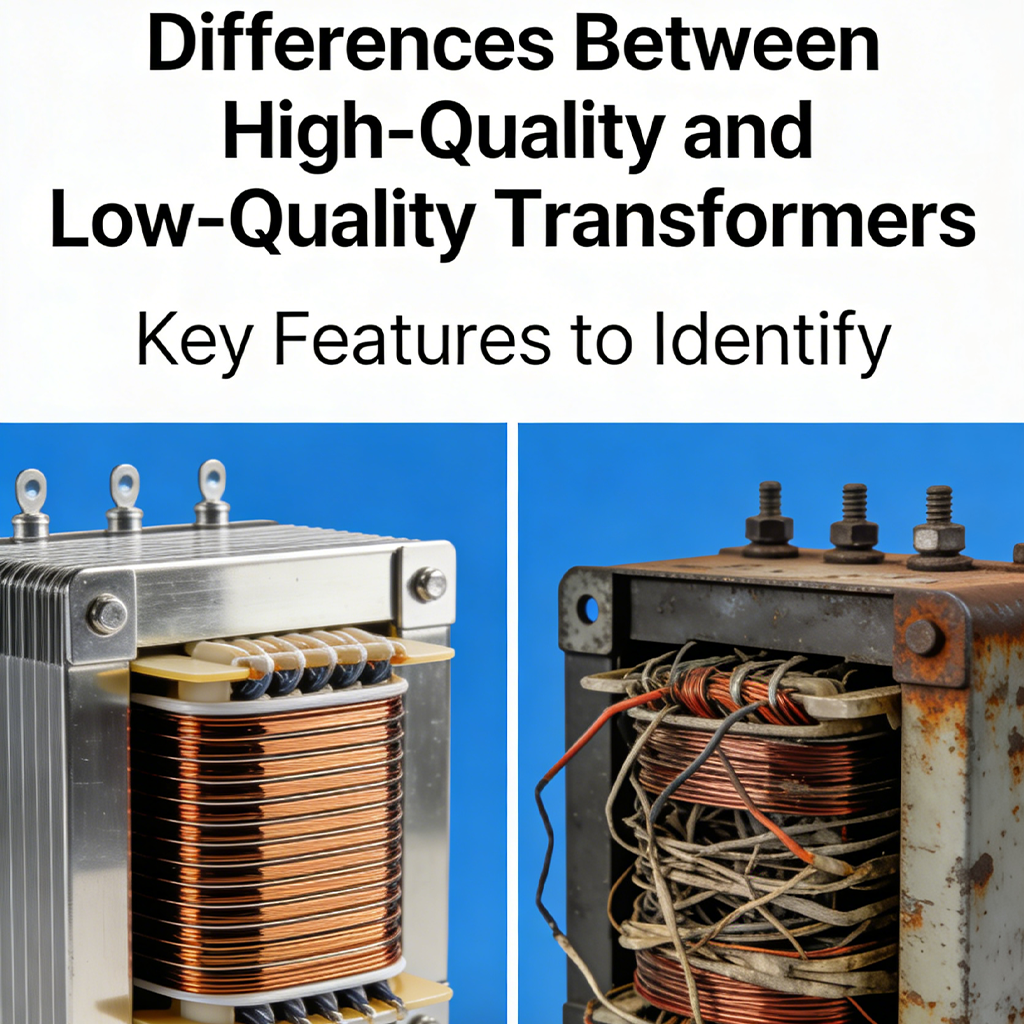
In industrial power distribution, commercial electricity supply, and engineering projects, transformers are the core equipment determining the stability, safety, and energy efficiency of power systems. Many buyers focus solely on price while overlooking the significant differences in transformers’ intrinsic quality. A high-quality transformer can operate reliably for over a decade, whereas substandard transformers not only have short lifespans and high losses but may also cause serious accidents like short circuits, burnouts, and power outages.
Today, we’ll clarify the true differences between premium and substandard transformers across 7 core dimensions, helping you avoid pitfalls and select the right product during procurement.
- Core Material and Manufacturing Process Differences
Premium Transformers: Utilize high-permeability cold-rolled grain-oriented silicon steel sheets with high magnetic permeability and low iron loss
Features tightly laminated cores with minimal gaps, resulting in low operational noise and reduced heat generation
Substandard Transformers:
Utilize recycled materials, low-grade silicon steel sheets, or even ordinary steel plates
High losses and excessive heat generation, resulting in significant energy consumption during prolonged use- Coil Winding Quality Differences
High-Quality Transformers: Employ high-purity oxygen-free copper windings for superior conductivity and low resistance
Uniform winding and standardized insulation treatment ensure impact resistance and aging resistance
Substandard Transformers:
Often use copper-clad aluminum or aluminum wire disguised as pure copper
Insufficient wire gauge, loose winding, poor overload capacity, prone to burnout- Insulation Material and Safety Rating Differences
High-Quality Transformers: Employ high-temperature resistant, highly flame-retardant insulation materials
Meet insulation rating standards, with excellent moisture resistance, aging resistance, and fireproofing
Substandard Transformers:
Thin insulation material with poor heat resistance
Prone to aging and breakdown during prolonged operation, causing short circuits and safety hazards- Differences in Heat Dissipation Design and Structure
High-quality transformers: Scientific heat dissipation structure with optimized airflow channels and strict temperature rise control
Dry-type transformers offer high cooling efficiency; oil-immersed transformers feature reliable sealing
Substandard transformers:
Simplified structure with inadequate heat dissipation
Excessive temperatures during full-load operation accelerate equipment aging- Energy Efficiency and Loss Disparities
High-Quality Transformers: Compliant with national/international efficiency standards, featuring low no-load and load losses
Significantly reduces electricity costs and operational expenses over extended use
Substandard Transformers:
Losses far exceed standards, resulting in high power consumption
Initially cheaper to purchase, but operational electricity costs far outweigh the price difference- Factory Testing and Quality Control Disparities
Premium Transformers: Undergo comprehensive testing including withstand voltage, turns ratio, DC resistance, and loss tests
Every unit passes inspection before shipment, ensuring stability
Substandard Transformers:
Testing procedures are simplified or omitted
Misrepresented specifications, subpar performance, and extremely high failure rates- Disparity in Service Life and Maintenance Costs
High-Quality Transformers: Operate reliably for 15–20+ years with proper maintenance
Low failure rate, simple upkeep, and lower overall costs
Substandard Transformers:
Typical lifespan of only 3–5 years, often shorter
Frequent failures and downtime for repairs cause production losses and extra expenses
Summary
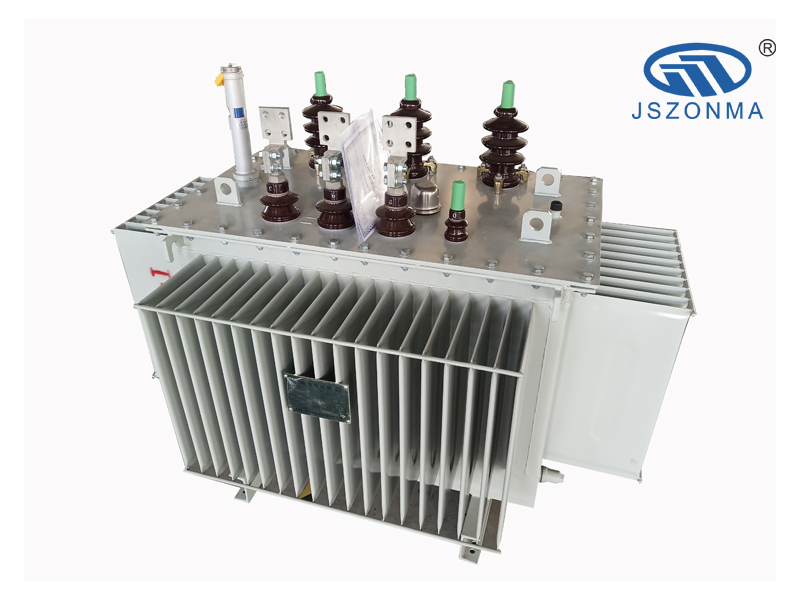
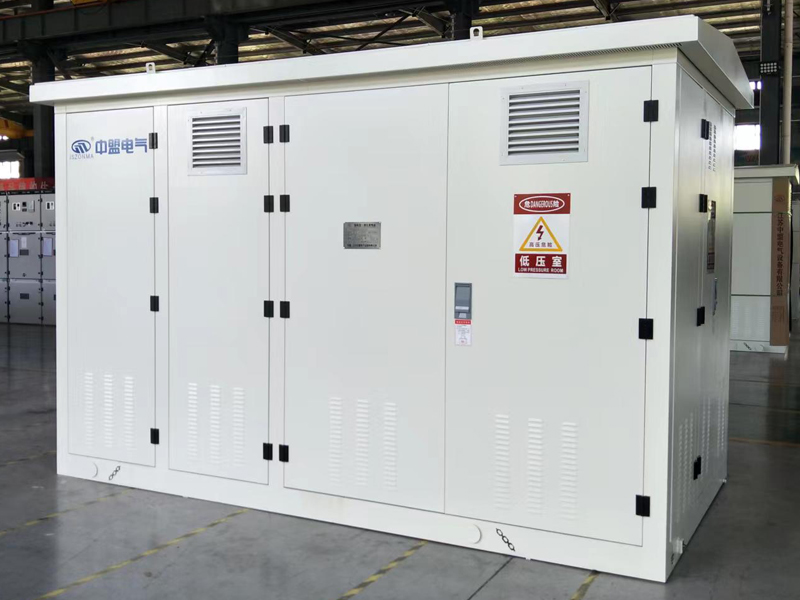
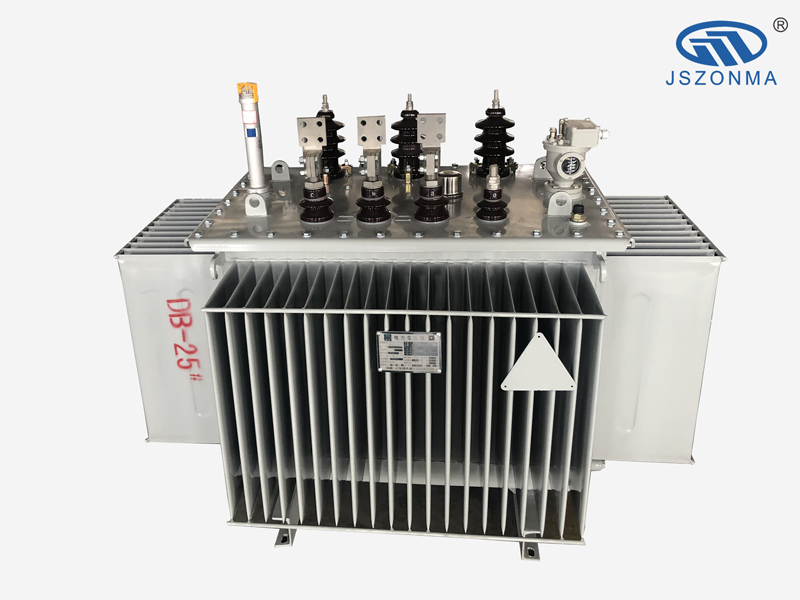
The difference between a good transformer and a bad one extends beyond price—it encompasses safety, efficiency, lifespan, and long-term costs. Selecting a high-quality dry-type transformer, oil-immersed transformer, or three-phase transformer is not merely purchasing equipment; it safeguards the stable operation of the entire power system.
Jiangsu Unita Electric Equipment Co.,Ltd in the R&D and production of dry-type transformers, oil-immersed transformers, and three-phase distribution transformers. We adhere to high-quality raw materials, strict manufacturing processes, and comprehensive testing to deliver stable, efficient, and safe transformer products and solutions to global customers.
For transformer selection, quotations, or customization needs, feel free to contact us anytime.