+86 18751738721
 sales@unitatransformer.com
Infrastructure projects across Africa are critical for economic growth, but many are derailed by avoidable transformer-related mistakes. These errors lead to costly delays, budget overruns, and even complete project shutdowns. We’ve compiled the 5 most common mistakes we see in African projects, and how to avoid them.
1. Choosing Uncertified Units to Save Upfront Cost
This is the single most common mistake. Many project managers opt for cheap, uncertified transformers to cut costs, only to face disaster later. Uncertified units are often rejected at African customs, fail technical tender evaluations, or break down within 2-3 years—compared to the 25-30 year lifespan of a properly certified unit.
2. Ignoring Regional Climate Adaptations
Africa’s climate is far more diverse than many suppliers account for. A standard transformer designed for temperate European climates will fail quickly in Nigeria’s 90% humidity, the Sahara’s sandstorms, or South Africa’s extreme temperature swings.
Fix: Select transformers with climate-specific adaptations: dust-sealed enclosures for arid regions, anti-corrosive coatings for coastal areas, and heat-resistant insulation for tropical zones.
3. Incorrect Capacity Sizing
Oversizing or undersizing your transformer is a costly error. Undersized units will overheat and fail under load, while oversized units lead to excessive no-load loss and wasted energy—critical in regions where power is already scarce.
Fix: Work with an experienced manufacturer to size your transformer based on your actual load requirements, not just general estimates. For most small-to-medium African projects, a 11kV 100kVA transformer is the ideal balance of capacity and efficiency.
4. Neglecting Maintenance Planning
Many projects in remote African areas fail to account for long-term maintenance. Transformers that require frequent, complex maintenance will fall into disrepair in regions with limited technical expertise.
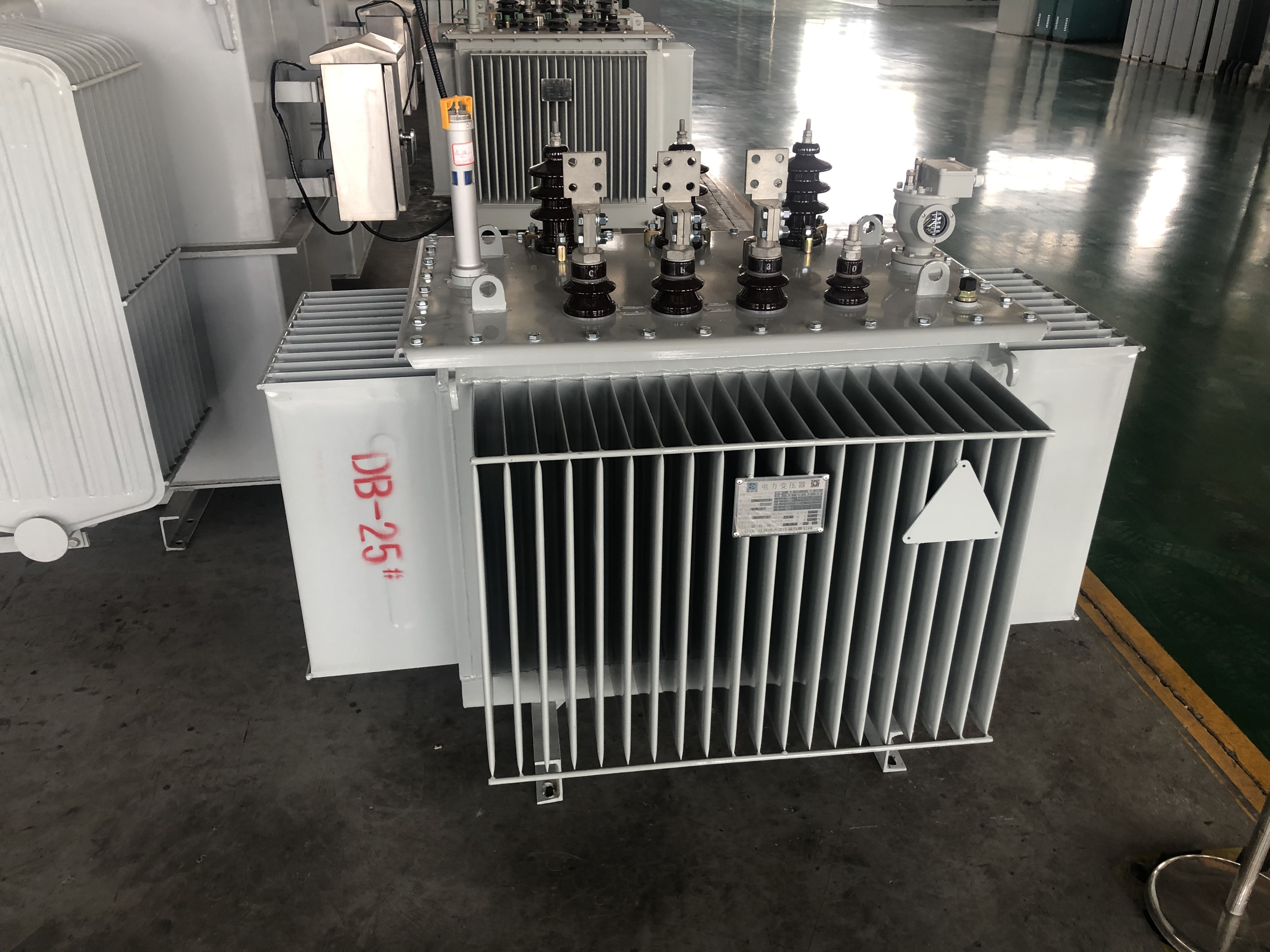
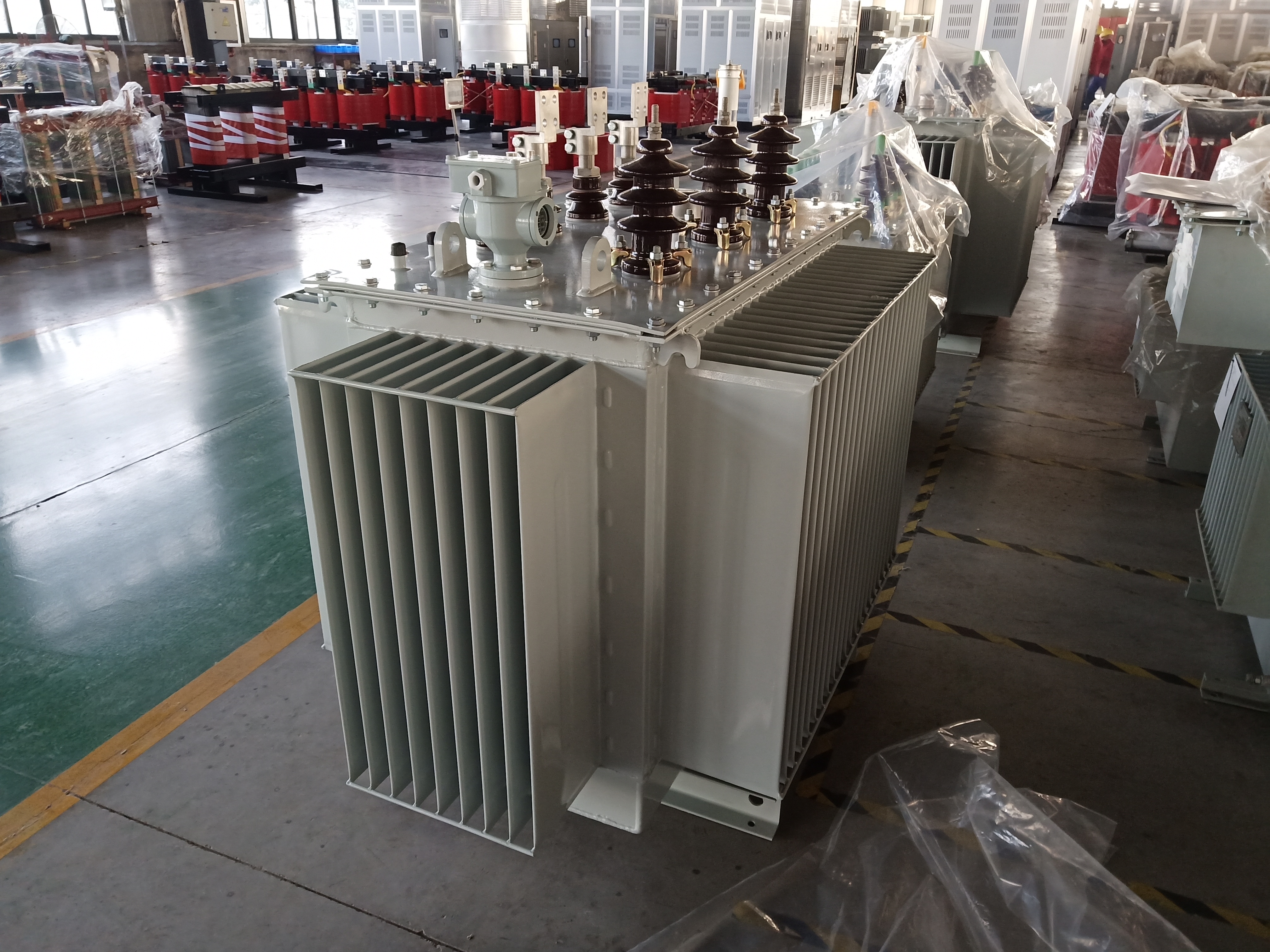
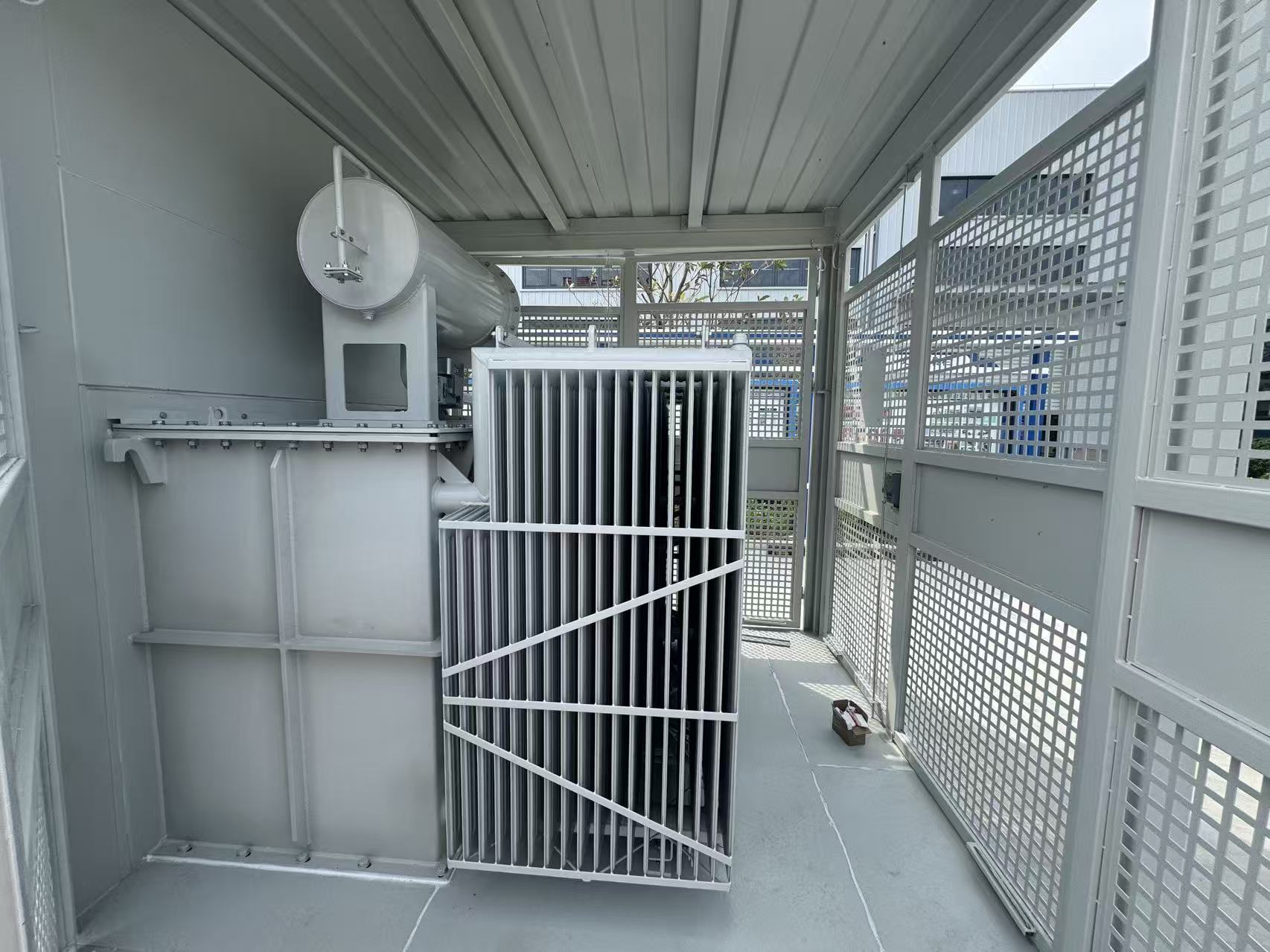
Fix: Choose low-maintenance units. Oil immersed transformers are ideal for remote areas, as they require minimal upkeep, while dry type transformers are better for urban areas with easy access to maintenance teams.
5. Choosing Suppliers With No African Market Experience
Suppliers that have never worked in Africa often underestimate logistics delays, customs requirements, and grid standards. This leads to shipments stuck in ports for months, or units that don’t integrate with local power grids.
Fix: Partner with a manufacturer with proven experience supplying to African projects, who can provide full documentation for customs and grid integration.
Conclusion
All 5 of these mistakes are completely avoidable with proper planning and the right supplier. By prioritizing CE certified, regionally adapted transformers, and working with experienced partners, you can keep your African infrastructure project on track and on budget.